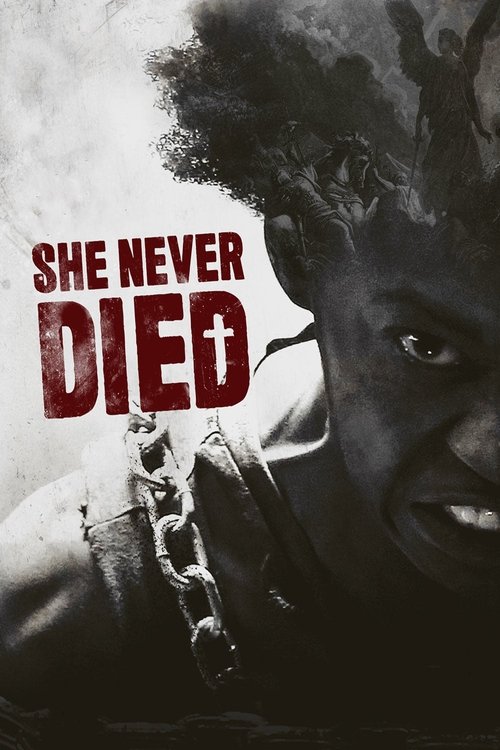
She Never Died
2019
No user ratings available yet
Diversity score: 3.3 out of 10

2002
RDirector
Chuck Bowman
Runtime
93 minutes
Average Rating
No ratings yetSynopsis
Jeff Lucas is already an outcast, but when he makes a horror film instead of a documentary for his class project, the ridicule his classmates inflict upon him soon turns to outright abuse.
Overall Score
Limited
Category Breakdown
LGBTQ+ Representation
The film lacks evidence of LGBTQ+ characters or non-cisnormative identities. It operates within traditional narrative frameworks without critiquing heteronormativity.
Gender Representation
While the cast includes female actors, the story focuses on a male protagonist's social struggles. There is no indication of women challenging conventional power dynamics.
Racial & Ethnic Diversity
Antonio Sabàto Jr. provides ethnic diversity in the lead role. However, race does not appear to be a central driver of the plot or narrative.
Religious & Cultural Diversity
The narrative follows standard horror and coming-of-age tropes. It lacks any significant critique of Western institutions, religion, or capitalism.
Disability Representation
There is no information regarding the depiction of physical or neurodivergent disabilities in the character arcs.
Strengths
Areas for Improvement
AI Analysis
Dead Above Ground is a genre-driven horror and crime film that prioritizes individual social struggle over systemic representation. The narrative centers on an outcast student navigating high school hierarchies, a theme that relies on conventional tropes rather than intersectional depth. While the casting of Antonio Sabàto Jr. introduces some ethnic diversity to the lead, the film does not use race as a thematic pillar. Similarly, the presence of female cast members does not translate into a subversion of gender roles within the provided story context. Ultimately, the film functions as a standard early-2000s genre piece. It lacks the intentionality required to disrupt traditional social hierarchies or provide meaningful representation for marginalized groups.
No reviews yet. Be the first to share your thoughts on this movie!
Use the rating form above to leave a star rating and optional review.