
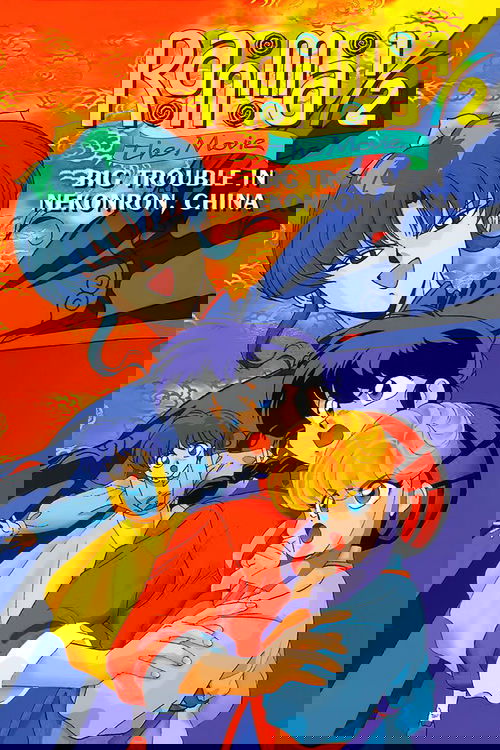
Ranma 1/2 the Movie 2: Nihao My Concubine
1992
No user ratings available yet
Representation score: 6.2 out of 10
Representation Score
Excellent
2011
Director
Ryo Nishimura
Runtime
95 minutes
Average Rating
No ratings yetNew Showbiz Analysis
Ranma ½ is a sophisticated exploration of gender fluidity and the subversion of patriarchal structures. By centering a protagonist whose physical form fluctuates, the film moves beyond traditional binary clichés to examine how identity is performed and perceived. The strength of the work lies in its ability to use a comedic, supernatural premise to critique social norms. Akane’s pursuit of leadership and Ranma’s navigation of gendered social interactions provide a layered look at control and strength. However, the film remains culturally homogeneous and focuses primarily on the comedic aspects of its central condition. While it challenges gender, it offers less depth regarding racial diversity or the lived experience of traditional disabilities.
Category Breakdown
Ranma’s supernatural transformation into a woman serves as a powerful metaphor for gender fluidity. This non-traditional existence disrupts binary expectations and forces a constant negotiation of identity.
The film deconstructs traditional hierarchies by challenging the requirement of a male dojo successor. Akane demonstrates significant control over her actions, while Ranma’s forced femininity subverts traditional masculine dominance.
The narrative is set within a culturally specific Japanese framework with a largely homogeneous cast. It focuses on internal character dynamics rather than explicit racial diversity.
The story prioritizes individual identity and personal struggle over strict adherence to traditional moralities. It embraces a nuanced, chaotic reality through the lens of a supernatural curse.
Ranma’s involuntary physiological changes function as a magical disability. The narrative explores the social implications of his condition rather than deep explorations of chronic illness.
Present on Screen
Limited or Absent
Official Synopsis
Akane is the youngest of three daughters for Soun Tendo. Her father Soun Tendo runs a dojo for martial arts. Akane hopes to carry on her father's dojo into the distant future. Meanwhile, Akane has been selected to marry Ranma, the son of her father's long time friend Genma. Akane and Ranma's relationship has developed into a love and hate relationship. Also, Ranma isn't your typical boy. While on a training journey Ranma fell into the Spring of the Drowned Girl and now changes into a women whenever cold water is splashed on him. Warm water will allow him to revert back to a male. Problems arise when Akane's father declares that the successor to their dojo must be a male. Now, Akane and Ranma (being a man only half of the time) must find a secret spring that can cure him of his curse.
1992
2020
1991
No reviews yet. Be the first to share your thoughts on this movie!
Use the rating form above to leave a star rating and optional review.