Find another title
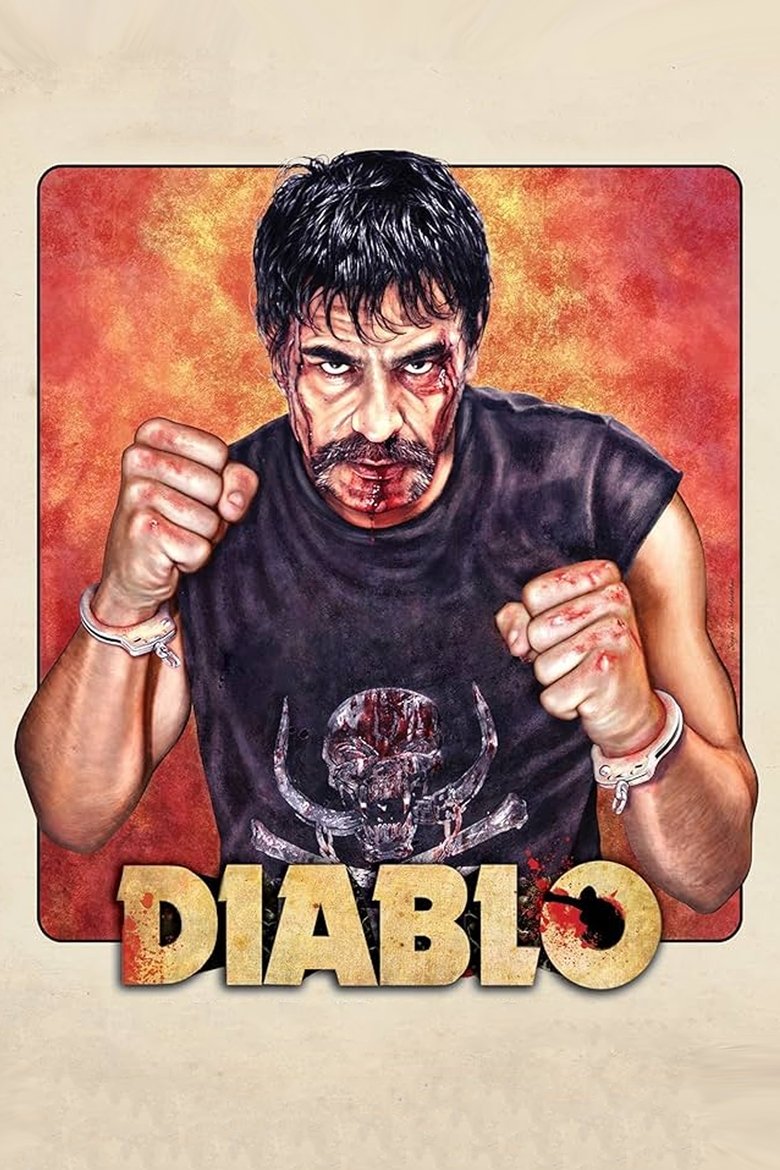
Diablo
2012
Not RatedDirector
Nicanor Loreti
Runtime
77 minutes
Average Rating
No ratings yetSynopsis
A depressed former boxing champion gets involved in a big problem with his cousin the same day that he was about to make up with his ex-girlfriend.
Where to Watch
Diversity & Representation
Overall Score
Limited
Category Breakdown
LGBTQ+ Representation
The film lacks any discernible presence of non-cisnormative identities. The narrative adheres to conventional romantic tropes centered on the protagonist's relationship with his ex-girlfriend.
Gender Representation
The story is driven by traditional masculine archetypes and physical struggle. Female characters appear primarily as romantic interests rather than independent drivers of the plot.
Racial & Ethnic Diversity
The production excels in regional authenticity by utilizing a predominantly Peruvian cast. This reflects the actual demographic reality of Lima without relying on whitewashing.
Religious & Cultural Diversity
The film depicts a world of systemic dysfunction where formal authority is ineffective. It focuses on survivalism within a lawless urban environment rather than explicit institutional critique.
Disability Representation
Mental health is a central theme through the protagonist's depression. However, the condition functions more as a gritty plot device than a nuanced exploration of neurodivergence.
Strengths
- Provides authentic regional representation through a predominantly Peruvian cast.
- Avoids whitewashing by reflecting the actual demographic reality of its Lima setting.
- Captures meaningful socioeconomic textures within its urban landscape.
Areas for Improvement
- Relies heavily on traditional masculine archetypes and male-driven agency.
- Lacks representation of non-cisnormative identities or LGBTQ+ narratives.
- Uses mental health primarily as a plot device rather than a nuanced exploration.
AI Analysis
Diablo is a culturally specific work that succeeds through its regional authenticity. By grounding the story in the urban landscape of Lima with a local cast, it avoids the whitewashing often seen in globalized cinema. However, the film remains tethered to traditional genre tropes. It relies heavily on masculine archetypes and standard neo-noir structures, which limits its ability to offer progressive or intersectional perspectives. Ultimately, the film serves as a study of urban violence and individual struggle. While it captures socioeconomic textures well, it lacks depth in representing diverse identities or systemic subversion.
Rate this Movie
Reviews
No reviews yet. Be the first to share your thoughts on this movie!
Use the rating form above to leave a star rating and optional review.