
The Morning Alarm
1896
No user ratings available yet
Representation score: 0.3 out of 10
Representation Score
Minimal
1896
Director
James H. White
Runtime
1 minutes
Average Rating
No ratings yetNew Showbiz Analysis
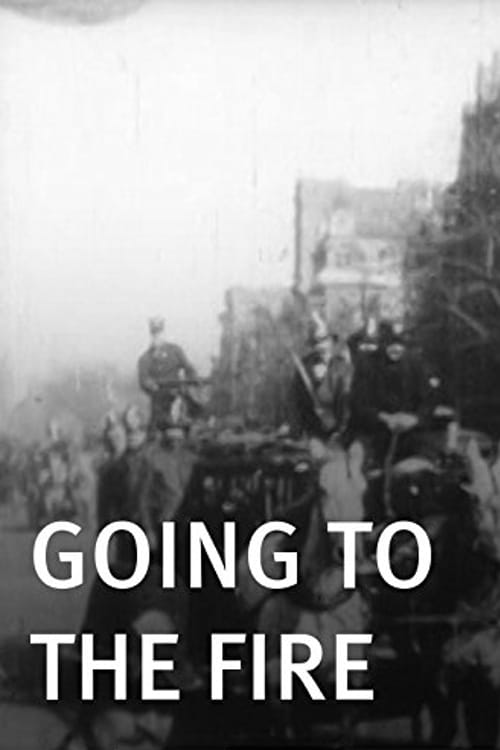
As an 1896 actuality film, *Going to the Fire* serves as a primitive documentary record of an urban emergency response. The content is dictated by the spontaneous reality of the Newark Fire Department in action rather than a scripted exploration of identity or social subtext. Due to its observational nature, the film lacks the narrative structure needed to explore complex character arcs or intentional social commentary. The low diversity scores reflect the technical and structural limitations of the medium during this era. Ultimately, the film captures a moment in time as a historical snapshot of civic institutions without the capacity for intentional representation or character-driven social commentary.
Category Breakdown
The film is an observational documentary of a public event from 1896. It does not depict any characters or explore gender identity and orientation.
The footage captures a public crowd in the late 19th century. Women are not shown exercising ability to act or challenging traditional roles.
The film shows a public gathering in Newark. While a diverse crowd is present, there is no narrative depth to explore racial dynamics.
This is a recording of a municipal function involving the Newark Fire Department. It does not engage with cultural critique or themes of moral relativism.
There is no depiction of characters with visible or invisible disabilities in the footage.
Present on Screen
Limited or Absent
Official Synopsis
A crowd watches the Newark Fire Department respond to a call.
1896
1897
1896
1896
1896

1897
1896
1900
No reviews yet. Be the first to share your thoughts on this movie!
Use the rating form above to leave a star rating and optional review.