
Final Voyage
2021
No user ratings available yet
Representation score: 4.9 out of 10
Representation Score
Excellent
2023
Director
Amat Vallmajor del Pozo
Runtime
72 minutes
Average Rating
No ratings yetNew Showbiz Analysis
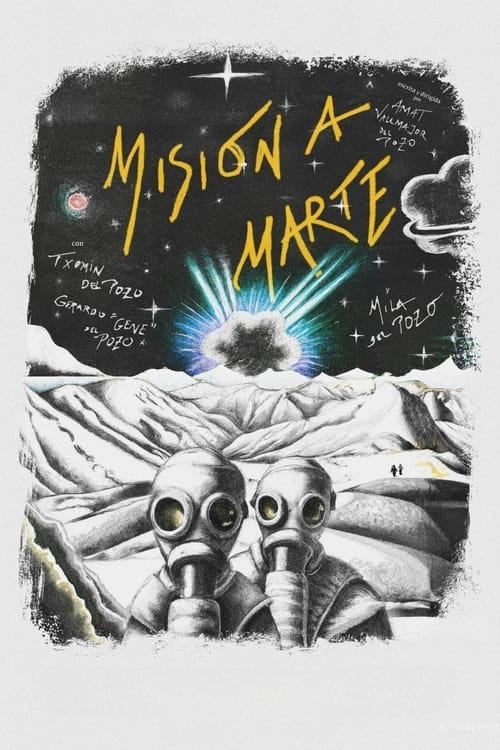
Misión a Marte stands out by grounding high-concept science fiction in the specific cultural landscape of the Basque Country. It avoids mainstream clichés by blending cosmic ambition with localized, grounded drama and familial dysfunction. The film excels in offering a unique cultural perspective through its regional specificity and its deconstruction of traditional religious and social institutions. By centering a female character in the resolution, it subtly subverts the typical male-led sci-fi journey. However, the narrative lacks explicit representation of LGBTQ+ identities and maintains a relatively standard approach to gender roles, despite the pivot toward the female character in the final act.
Category Breakdown
The film does not explicitly include LGBTQ+ characters. However, the focus on family dynamics and disrupted sibling relationships provides a space for exploring unconventional interpersonal structures.
The story challenges traditional male-centric adventure clichés by centering the mission's resolution on Mila. Her involvement acts as a stabilizing force when the brothers face a crisis.
The film highlights Basque identity and Northern Spanish geography, elevating a specific European ethnic identity. This approach challenges the Anglo-centric dominance often seen in science fiction.
The film uses a post-apocalyptic Basque setting to critique Western societal structures. It includes non-traditional representations of religious figures and ghosts within a scientific mission.
Gene’s frail health is a central element of the plot's tension. His physical vulnerability is a key part of the story rather than a secondary issue.
Present on Screen
Limited or Absent
Official Synopsis
In a post-apocalyptic Basque Country, two brothers leave on a mission to Mars. A futuristic road trip through a family past. Txomin, an unemployed Basque archaeologist, receives a commission to provide an expert’s report on Mars. With his brother Gene at the wheel, they leave from Eibar on an adventure through northern Spain. When Gene’s frail health and a mysterious sudden toxic mist makes them lose their way, they turn to their sister Mila. The reunion between the three awakens old family reproaches as Gene’s health continues to decline. With the help of a few ghosts and of Jesus Christ himself, the two brothers decide to complete their mission and make it to Mars.
2021

2014

2017

2019

2020

2010

2015
2026
No reviews yet. Be the first to share your thoughts on this movie!
Use the rating form above to leave a star rating and optional review.