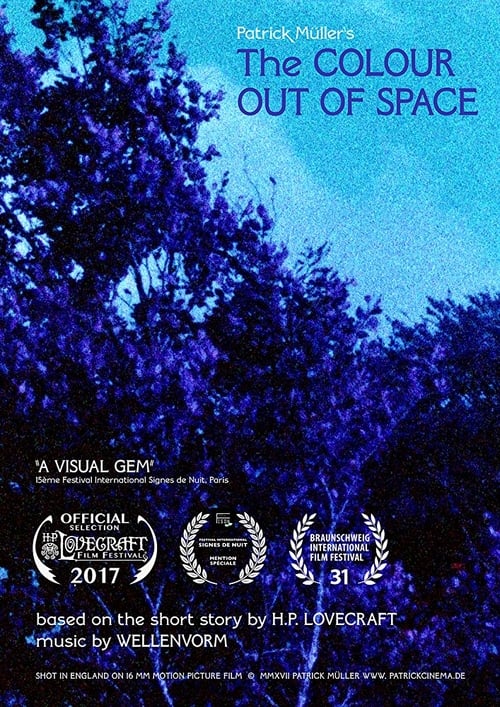
The Colour Out of Space
2017
No user ratings available yet
Representation score: 1.8 out of 10
Representation Score
Minimal
1999
Not RatedDirector
Peter Tscherkassky
Runtime
11 minutes
Average Rating
No ratings yetNew Showbiz Analysis
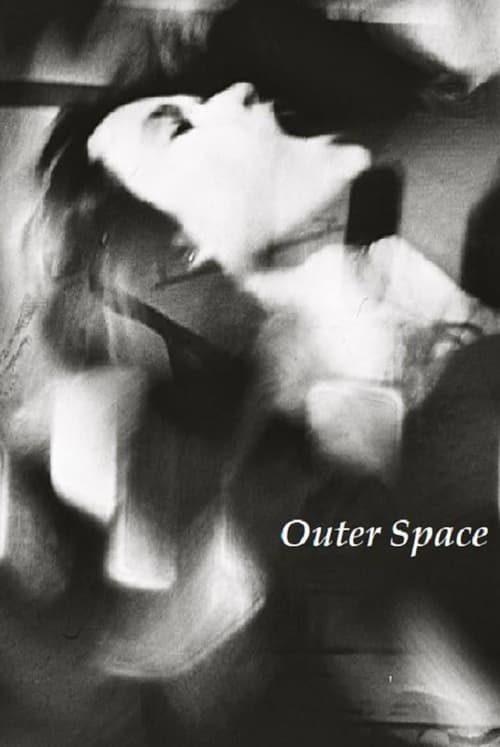
Peter Tscherkassky’s *Outer Space* is a rigorous exercise in structuralist cinema that prioritizes the physical properties of film over traditional narrative. By manipulating celluloid through rapid-fire montage, the work deconstructs the medium itself rather than telling a human story. Because the film is non-narrative and abstract, it lacks the human subjects necessary to address identity-based categories. It does not engage with social hierarchies, gender, or race, focusing instead on the materiality of the image. While the film succeeds as a postmodern critique of cinematic authority, its lack of character-driven ability to act limits its social representation.
Category Breakdown
The film is an abstract, structuralist study of film materiality. It contains no characters, romantic pairings, or gendered identities.
The narrative structure is non-human, focusing on textures and mechanical processes. It does not depict gender hierarchies or roles.
The film operates within a purely formalist framework. It does not engage with racial or ethnic representation through human casting or character arcs.
The film aligns with postmodernist critiques by dismantling the illusion of the filmic world. It challenges traditional storytelling through aesthetic abstraction.
The work is an experimental study of celluloid and lacks any human presence. This makes assessing disability representation inapplicable.
Present on Screen
Limited or Absent
Official Synopsis
A young woman move towards a house that holds a potentially dangerous spirit that has been tormenting her. The woman tries to fight against the film itself as it starts to cause the world to collapse.
2017

2015

2020

1973

2021
2007

1981
2010
No reviews yet. Be the first to share your thoughts on this movie!
Use the rating form above to leave a star rating and optional review.