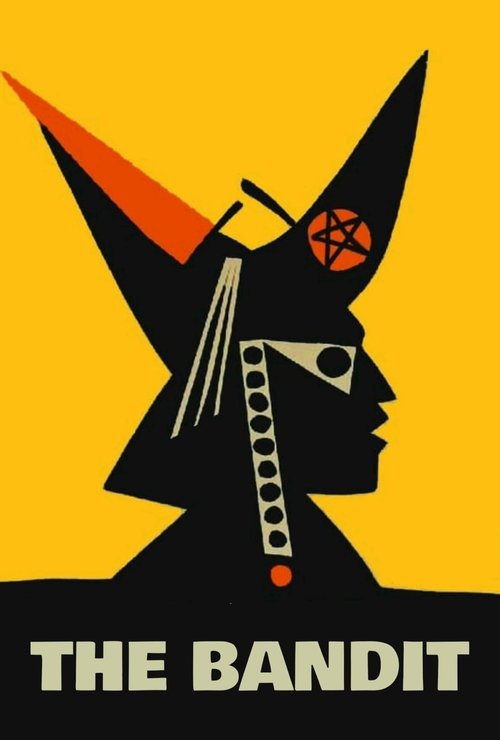
The Bandit
1953
No user ratings available yet
Diversity score: 4.3 out of 10

2011
Director
Vinicius Coimbra
Runtime
110 minutes
Average Rating
No ratings yetSynopsis
Based on Guimarães Rosa's (classic Brazilian author) short story, the movie tells the story of Augusto Matraga, a bankrupt and violent farmer who lives above the Law in Minas Gerais' hinterland. During a difficult time, he finds himself in the middle of a trap that nearly kills him. Born again, Matraga resorts to faith and hard work in the pursuit of redemption. Years later, he arrives at the village reigned by the hinterland's ruler and his thugs. This new friendship will challenge his destiny. Inside Matraga, the Saint and the Warrior will duel until his time comes.
Overall Score
Fair
Category Breakdown
LGBTQ+ Representation
The narrative focuses on a singular journey of masculine redemption. There is no explicit mention of LGBTQ+ characters or non-heteronormative identities within the story.
Gender Representation
Agency is concentrated in the male protagonist, Augusto Matraga. The film reinforces conventional masculine archetypes through his struggle as both a warrior and a man seeking spiritual redemption.
Racial & Ethnic Diversity
Set in the Minas Gerais hinterland, the film naturally disrupts Anglo-centric Western canons. The regionalist setting suggests a multi-ethnic social fabric central to the Brazilian interior.
Religious & Cultural Diversity
The film explores complex morality and spiritual struggle rather than simple tropes. It critiques local power structures through the protagonist's transition from an outlaw to a man of faith.
Disability Representation
There is no information available regarding the portrayal of physical or neurodivergent disabilities in this work.
Strengths
Areas for Improvement
AI Analysis
The film serves as a significant regionalist character study that challenges Western cinematic norms by centering a Brazilian literary tradition. It moves away from binary tropes to explore moral relativism and the deconstruction of the outlaw archetype. However, the work remains anchored in traditional narrative structures. The focus on masculine agency and spiritual redemption limits its engagement with modern identity-driven representation. While it successfully disrupts the homogeneity of the Western genre through its setting, it lacks explicit diversity in gender and LGBTQ+ categories.
No reviews yet. Be the first to share your thoughts on this movie!
Use the rating form above to leave a star rating and optional review.