Betty Boop and Grampy
1935
No user ratings available yet
Representation score: 0.4 out of 10
Representation Score
Minimal
1936
ApprovedDirector
Dave Fleischer
Runtime
6 minutes
Average Rating
No ratings yetNew Showbiz Analysis
This 1936 short film is a typical product of its era, prioritizing rhythmic, slapstick entertainment over social critique. The narrative sticks to the commercial and social conventions of the early 20th century, focusing on escapism and traditional character clichés. While Betty Boop exhibits a degree of independence in her personal activities, the film ultimately reinforces the gender norms and beauty standards of the time. The absence of diverse identities or multi-layered depth keeps the work within the homogenous social boundaries of its period.
Category Breakdown
The film does not depict any non-straight relationships or queer subtext. The characters are portrayed within traditional romantic and flapper archetypes.
Betty Boop is shown as a flirtatious flapper, emphasizing traditional feminine roles. While she demonstrates independence in her fitness routines, the overall narrative upholds conventional beauty standards and performative femininity.
The film lacks significant racial diversity, showing a homogeneous urban setting. There is no indication of characters representing multiple aspects of diversity.
This musical slapstick short focuses on providing entertainment rather than addressing social issues. It highlights the pressure to maintain a certain physical appearance, reflecting the consumerist and societal norms of the 1930s.
The film does not include any characters with visible or invisible disabilities. The humor relies on physical comedy rather than depicting the experiences of those with impairments or neurodivergence.
Present on Screen
Limited or Absent
Official Synopsis
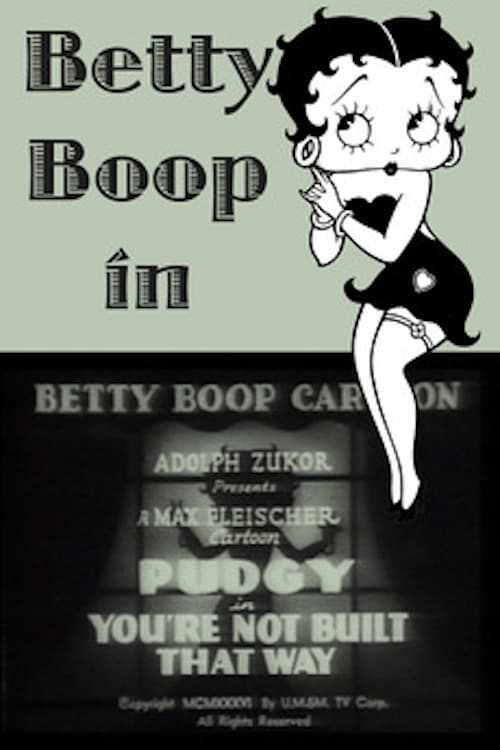
Betty tries a regime of exercise, but her weight loss gets out of hand. She sings "Keep Your Girlish Figure".
1935

1935
1937
1936
1935
1936
1936
1936
No reviews yet. Be the first to share your thoughts on this movie!
Use the rating form above to leave a star rating and optional review.