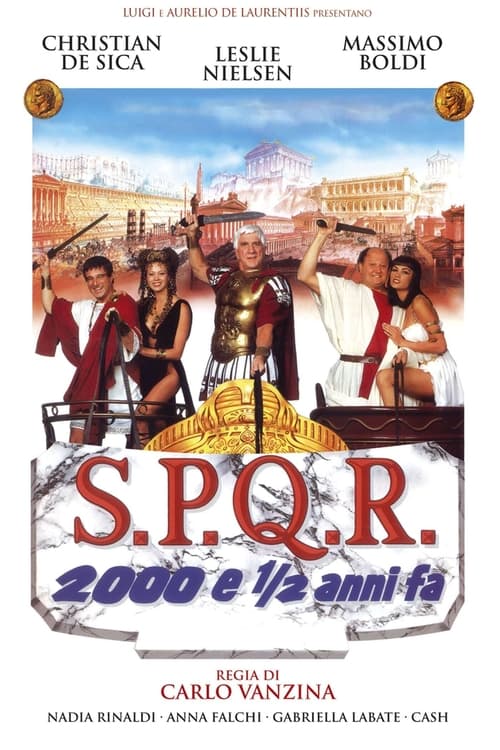
S.P.Q.R.: 2,000 and a Half Years Ago
1994
No user ratings available yet
Representation score: 3.5 out of 10
Representation Score
Limited
1982
Director
Pipolo, Castellano
Runtime
97 minutes
Average Rating
No ratings yetNew Showbiz Analysis
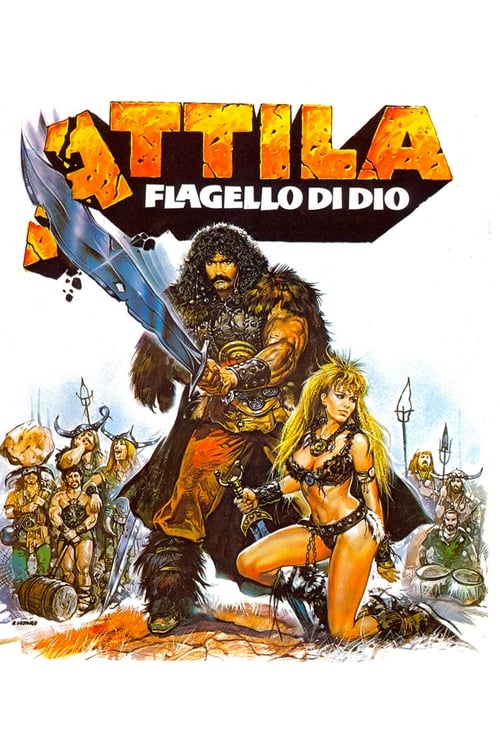
Attila Scourge of God is a traditional historical comedy that emphasizes the genre clichés of early 1980s filmmaking. The narrative centers on military conquest and leadership, reinforcing established patriarchal hierarchies and conventional gender roles. The film’s depiction of ethnicity and culture adheres to the era’s perceptions, showing a clash between pagan and Christian worlds but functioning primarily as an action-comedy. It does not delve into a critical examination of power dynamics. Overall, the work does not intentionally address diverse identities and experiences, operating within the social and cinematic norms of its time, prioritizing historical spectacle over modern narrative subversion.
Category Breakdown
The film does not depict same-sex relationships or non-cisgender identities, sticking to heterosexual norms typical of 1980s historical comedies.
Male warriors and masculine conquest dominate the narrative. Female characters play minor roles and do not significantly influence the plot.
European actors portray various ethnicities, following traditional casting practices of the era without challenging historical visual norms.
The film contrasts nomadic pagan traditions with Christian Roman institutions, focusing on military conflict rather than a deeper critique of societal structures.
No visible or invisible disabilities are shown, nor are any characters used as plot devices related to disability.
Present on Screen
Limited or Absent
Official Synopsis
The misadventures of Attila and his band of barbarians as they take up arms against the Roman Empire in their native Milano
1994

1964
1973

1966
1977

1980
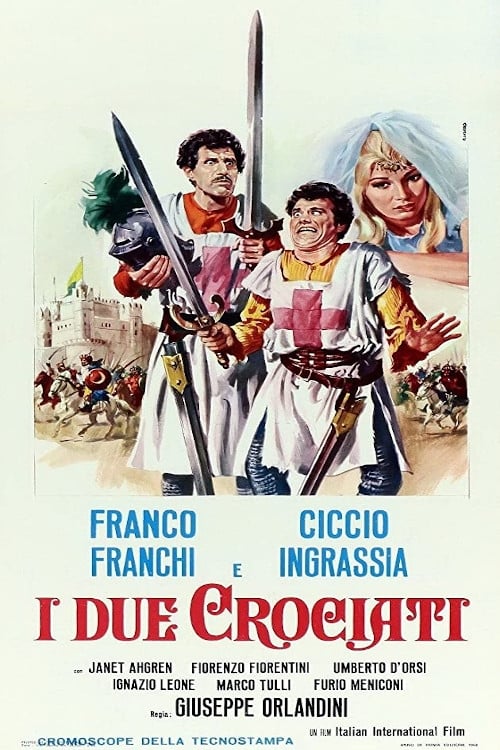
1968
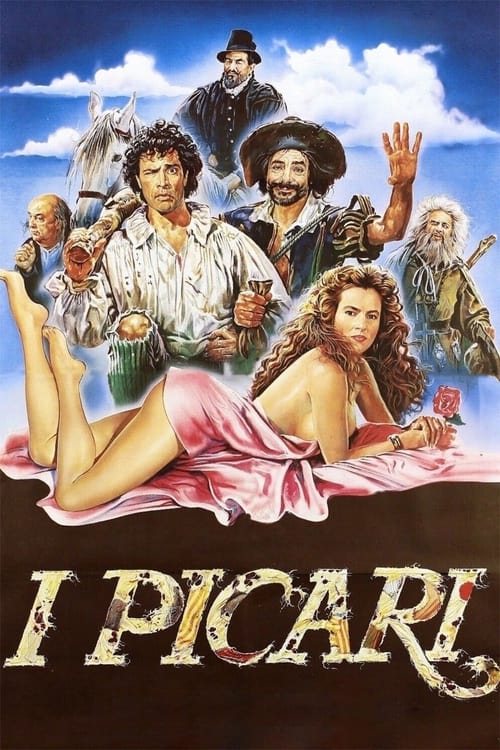
1987
No reviews yet. Be the first to share your thoughts on this movie!
Use the rating form above to leave a star rating and optional review.