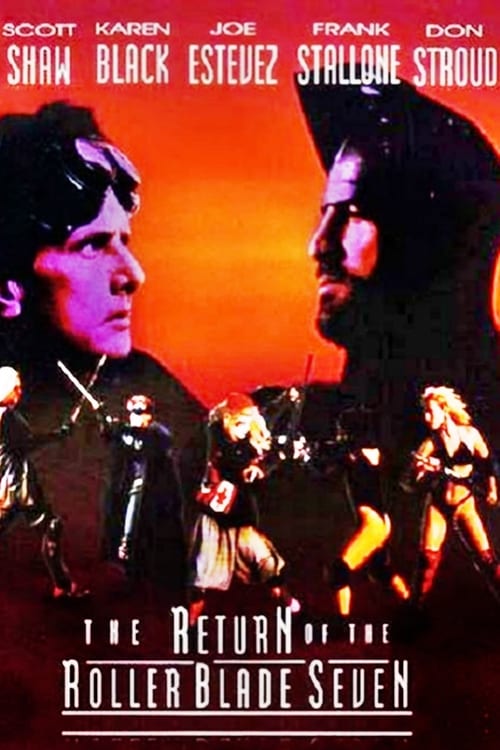
Return of the Roller Blade Seven
1993
No user ratings available yet
Diversity score: 4.1 out of 10

1986
Director
Donald G. Jackson
Runtime
88 minutes
Average Rating
No ratings yetSynopsis
In a futuristic society, rebels fighting against a fascist state are aided by a group of roller-skating nuns called the Bod Sisters.
Overall Score
Fair
Category Breakdown
LGBTQ+ Representation
The film lacks explicit evidence of LGBTQ+ characters or non-heteronormative identities. The narrative focuses on political rebellion rather than identity-based exploration.
Gender Representation
The Bod Sisters, a group of roller-skating nuns, serve as active agents in a revolutionary struggle. This positioning challenges traditional hierarchies by placing women in high-action, combat-oriented roles.
Racial & Ethnic Diversity
The racial composition of the rebels and the fascist state is not explicitly detailed. The score reflects a moderate level of inclusion typical of mid-80s genre cinema.
Religious & Cultural Diversity
The film critiques centralized authority by framing the conflict as a rebellion against a fascist state. It also deconstructs religious roles by using nuns as specialized combatants.
Disability Representation
There is no discernible evidence regarding the portrayal of physical or neurodivergent disabilities within the narrative.
Strengths
Areas for Improvement
AI Analysis
Roller Blade offers a unique subversion of traditional roles by centering its action around a group of roller-skating nuns. This choice disrupts conventional gender expectations, moving female characters from domestic spheres into high-stakes combat roles against a fascist regime. The film's strength lies in its narrative architecture, which inherently critiques state-sanctioned power and institutional stability. By reimagining religious figures as revolutionary fighters, it moves away from traditional piety toward functional, secular utility. However, the film lacks intersectional depth. It provides little evidence of LGBTQ+ representation or specific racial diversity, remaining largely focused on the central political conflict and genre tropes.
1993
2001
1985

1993
1983

1988
1983
1984
1995

1989

2001
1998
No reviews yet. Be the first to share your thoughts on this movie!
Use the rating form above to leave a star rating and optional review.