
Full of Grace
2022
No user ratings available yet
Representation score: 3.6 out of 10
Representation Score
Limited
2016
PGDirector
Alyssa Addison
Runtime
116 minutes
Average Rating
No ratings yetNew Showbiz Analysis
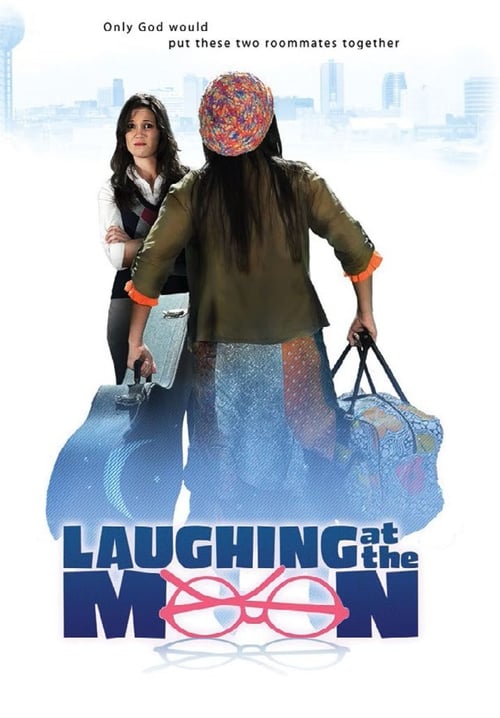
Laughing at the Moon is a character-driven comedy that finds its strength in female-centric storytelling. The friction between the altruistic Iris and the snobby Natalie provides a meaningful exploration of personality-based social hierarchies. However, the film lacks demographic breadth. The narrative remains rooted in traditional clichés and a predominantly white, small-town setting, offering little in the way of multi-layered complexity or systemic critique. Ultimately, the film functions as a personal character study rather than a diverse social commentary, prioritizing individual moral growth over broader representation.
Category Breakdown
The film operates within a conventional framework that assumes everyone is straight or cisgender. There are no LGBTQ+ characters or depictions of same-sex intimacy.
The narrative centers on women's ability to drive the story and the psychological depth of its leads. Iris and Natalie's dynamic challenges traditional social hierarchies through their contrasting archetypes.
The story features a predominantly white cast in a small-town American setting. It lacks documented evidence of significant racial diversity or color-blind casting.
The film utilizes a framework of sacrificial love and traditional moral archetypes. It focuses on individual moral transformation rather than broader systemic or secularist critiques.
While Iris is described as eccentric, it is unclear if this represents neurodivergence. There is no explicit confirmation of disability or specific ability to act regarding it.
Present on Screen
Limited or Absent
Official Synopsis
Iris, an eccentric altruist, comes to live with the self-absorbed, compulsive, snobby Natalie, who is her complete opposite. Iris’ antics and Christ-like sacrificial love, totally transform everyone she meets.
2022

2024

2013

2015
2019

2012

2020

2016
No reviews yet. Be the first to share your thoughts on this movie!
Use the rating form above to leave a star rating and optional review.