Find another title
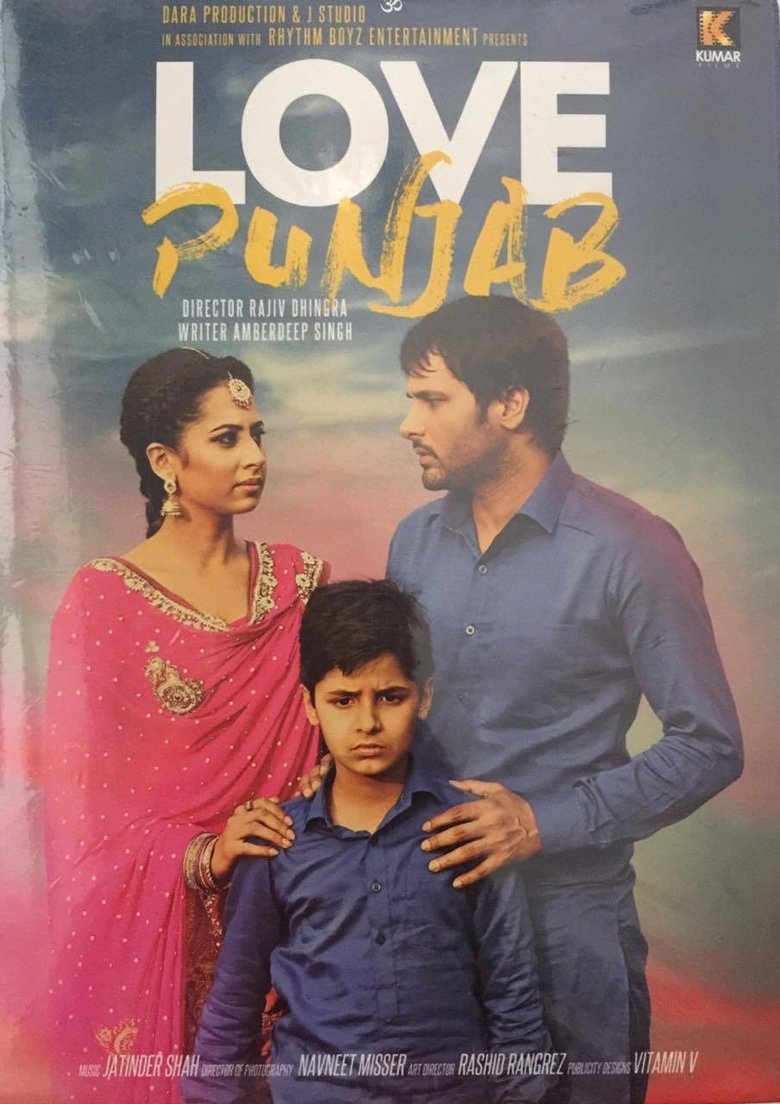
Love Punjab
2016
Director
Rajiv Dhingra
Runtime
131 minutes
Average Rating
No ratings yetSynopsis
A Punjabi village undergoes a makeover to welcome a child born abroad.
Where to Watch
Diversity & Representation
Overall Score
Fair
Category Breakdown
LGBTQ+ Representation
The film lacks LGBTQ+ characters or narratives. The romantic arc centers on traditional courtship without engaging with or critiquing heteronormativity.
Gender Representation
Gender dynamics follow conventional tropes, focusing on a male protagonist's journey. The film lacks significant subversion of traditional hierarchies or non-traditional masculinity.
Racial & Ethnic Diversity
The narrative excels by centering Punjabi ethnic identity and the diaspora experience. It prioritizes a non-Anglo-Saxon perspective, providing high agency to characters within their cultural context.
Religious & Cultural Diversity
The film offers a nuanced view of the immigrant experience and economic migration. It operates within traditional cultural and religious frameworks inherent to the Punjabi setting.
Disability Representation
Mental health is addressed through a child's struggle with depression. However, recovery is framed through familial connection rather than systemic agency or neurodivergent empowerment.
Strengths
- Strong centering of Punjabi ethnic identity and diaspora experiences.
- Provides a non-Western perspective on global migration and cultural connection.
- Addresses mental health through the depiction of childhood depression.
Areas for Improvement
- Lack of LGBTQ+ visibility and non-heteronormative narratives.
- Reliance on traditional gender hierarchies and conventional romantic tropes.
- Limited exploration of systemic agency regarding mental health and disability.
AI Analysis
Love Punjab is a culturally specific film that finds its strength in its authentic portrayal of the Punjabi diaspora. By exploring the connection between India and Canada, it provides a necessary non-Western perspective on identity and migration. However, the film remains tethered to traditional social structures. It relies on conventional gender roles and romantic tropes, offering little room for queer visibility or the subversion of established hierarchies. While it touches on mental health, the approach is more focused on emotional recovery through family than on deeper explorations of neurodiversity. It is a specialized portrait of ethnic identity that lacks broader social diversity.
Rate this Movie
Reviews
No reviews yet. Be the first to share your thoughts on this movie!
Use the rating form above to leave a star rating and optional review.