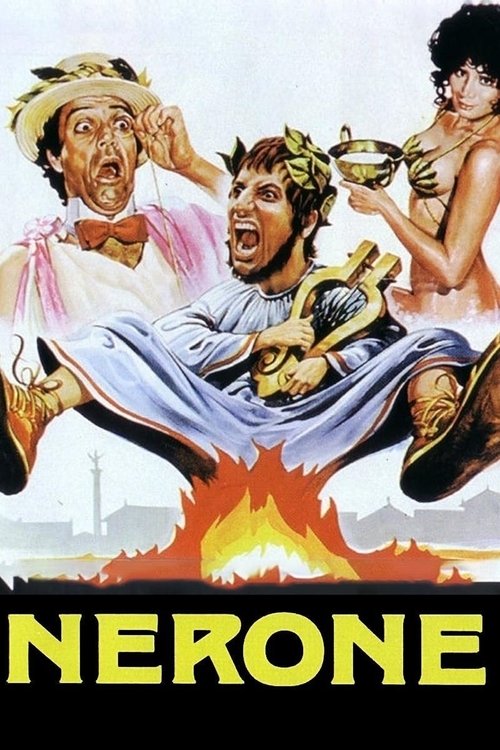
Nerone
1977
No user ratings available yet
Representation score: 4.7 out of 10
Representation Score
Excellent
1969
Director
Gian Luigi Polidoro
Runtime
120 minutes
Average Rating
No ratings yetNew Showbiz Analysis
The film serves as a significant disruption to traditional historical storytelling. By embracing the transgressive nature of its source material, it avoids reinforcing conservative social hierarchies or moralizing the characters' actions. The production favors a fragmented and multi-layered view of social power, replacing the typical 'heroic' epic with a chaotic, satirical exploration of human behavior. While the film succeeds in subverting gender and cultural norms, it occasionally relies on the grotesque for its aesthetic, creating a complex, if sometimes uneven, portrait of imperial Roman life.
Category Breakdown
The film explores fluid gender expressions and non-traditional intimacy, challenging modern binary constraints and conventional expectations of monogamy through its Roman satirical lens. It disrupts the assumption that everyone is straight or cisgender.
Women play a significant role in driving the story, often exercising intellect and ability to act that oppose patriarchal stability. Masculinity is portrayed as farcical and fragmented, stripping away the heroic clichés common in historical epics.
The narrative reflects a multi-ethnic Roman Empire, utilizing a diverse cast to depict a non-homogeneous society. It moves away from a monolithic Western identity to show a cultural melting pot.
The film critiques corrupt religious and political structures through a hedonistic worldview. It frames social transgression as a form of liberation from oppressive imperial norms.
Physical differences are occasionally used to support a grotesque aesthetic. While contributing to the subversive tone, these elements sometimes lack nuanced character's ability to drive the story.
Present on Screen
Limited or Absent
Official Synopsis
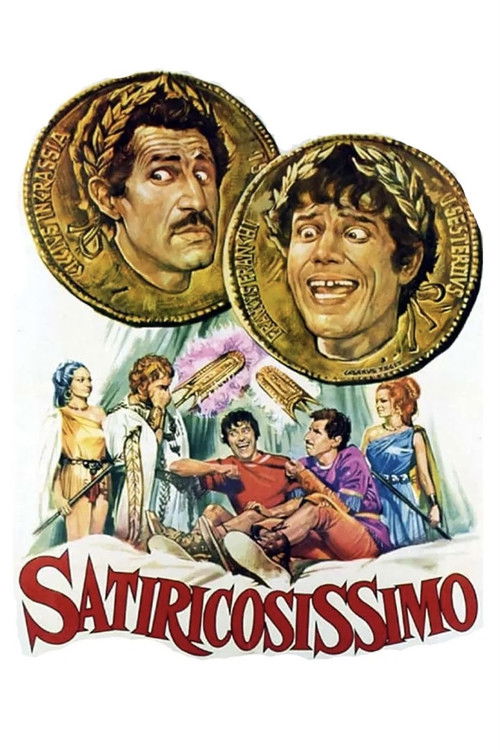
A series of bawdy and satirical episodes written during the reign of the emperor Nero and set in imperial Rome. Like the more famous version made by Federico Fellini, an adaptation of Petronius' Satyricon.
1977
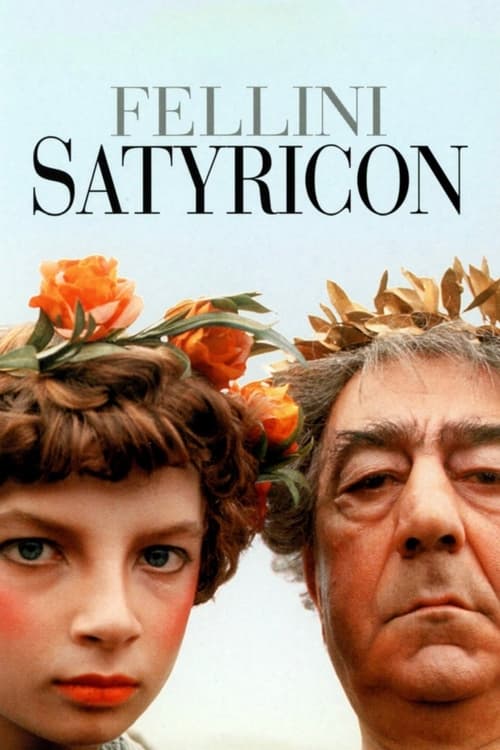
1969
1956
1963
2013
1982
1971
1970
No reviews yet. Be the first to share your thoughts on this movie!
Use the rating form above to leave a star rating and optional review.