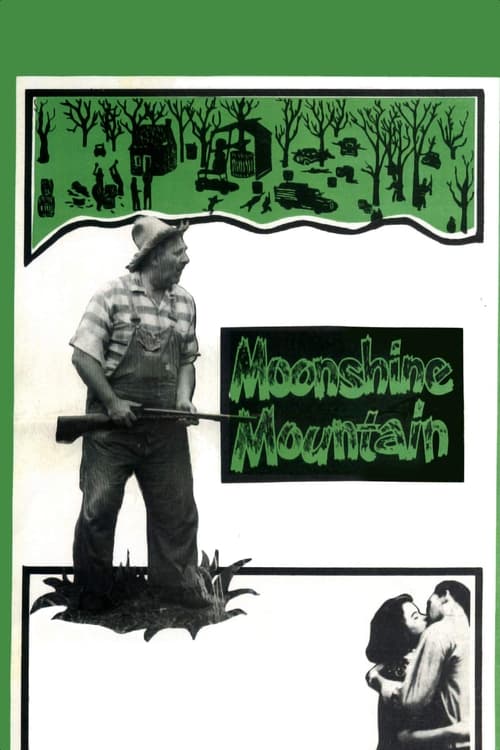
Moonshine Mountain
1964
No user ratings available yet
Diversity score: 2.7 out of 10
1973
Runtime
90 minutes
Average Rating
No ratings yetSynopsis
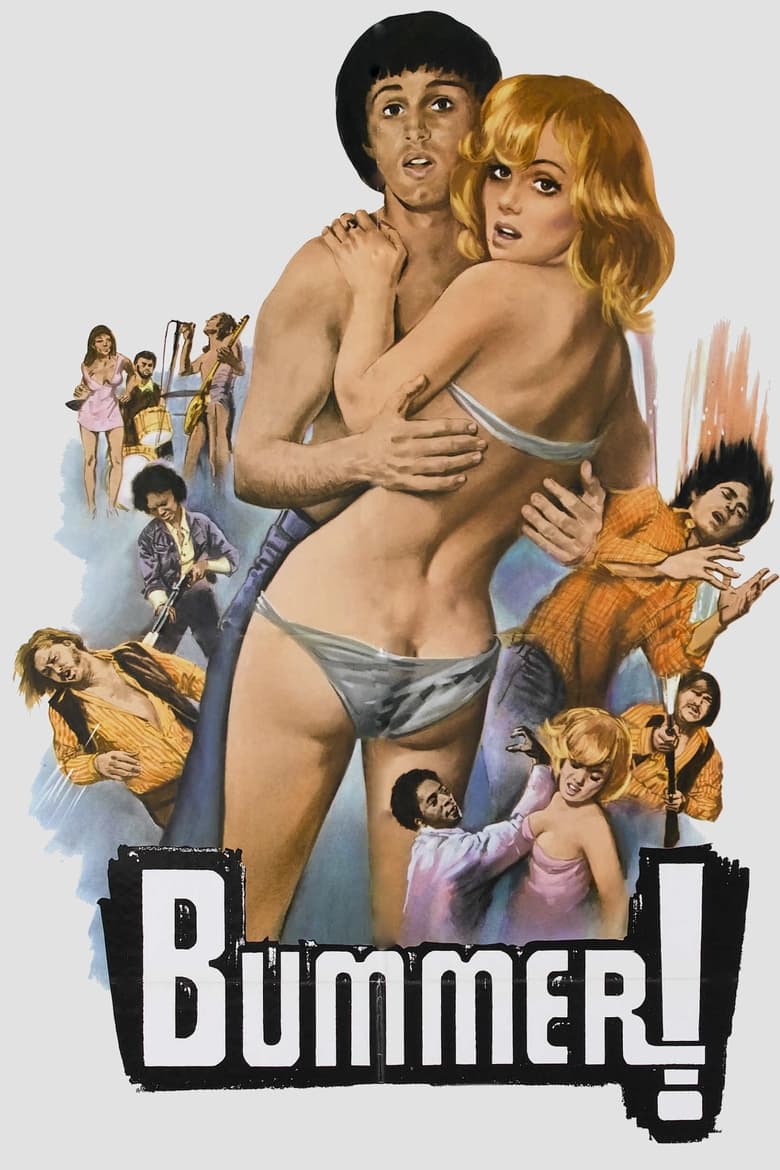
The manager of a rock band fires the drunken, psycho bass player, who goes on a rape and murder spree.
Overall Score
Minimal
Category Breakdown
LGBTQ+ Representation
The film lacks any evidence of LGBTQ+ characters or non-cisnormative identities. The narrative remains centered on a traditional, male-driven conflict.
Gender Representation
The story focuses on male-dominated spaces and male-driven violence. There is no indication that female characters possess significant agency or subvert traditional hierarchies.
Racial & Ethnic Diversity
The film offers no evidence of racial blending or diverse casting. It appears to follow the homogeneous casting patterns common in 1970s genre cinema.
Religious & Cultural Diversity
The narrative explores individual pathology and criminality rather than systemic critique. It focuses on a traditional moral framework centered on a character's psychological breakdown.
Disability Representation
The portrayal of the protagonist as a 'psycho' suggests a reliance on the 'madman' trope. This uses mental instability as a horror device rather than a nuanced depiction.
Strengths
Areas for Improvement
AI Analysis
Bummer operates as a standard 1970s exploitation thriller, prioritizing visceral thrills over social complexity. The narrative architecture relies on a singular, deviant antagonist to drive the plot through a cycle of professional failure and violence. The film adheres to reductive archetypes common to its era. It lacks intersectional depth, focusing instead on individual pathology and traditional genre tropes like the 'psycho' killer. Ultimately, the work functions as a period-typical genre piece that reinforces established social hierarchies rather than challenging them through diverse representation or nuanced character studies.
1964
1968
1979

1978
1985
1978

1964
1974
1970
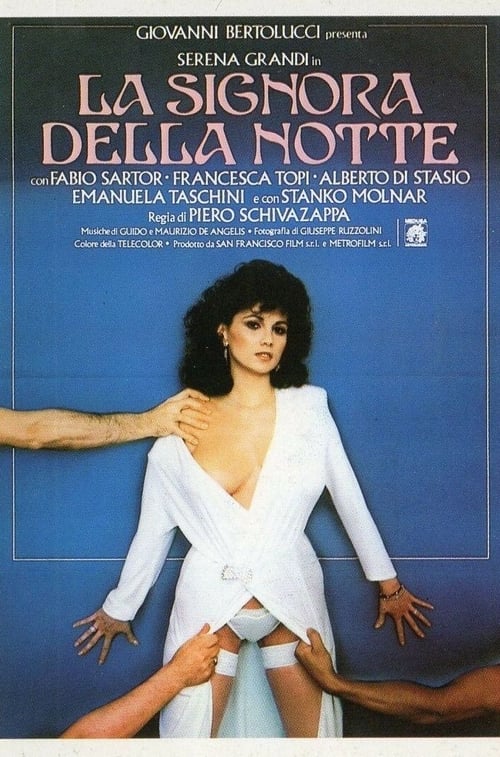
1986
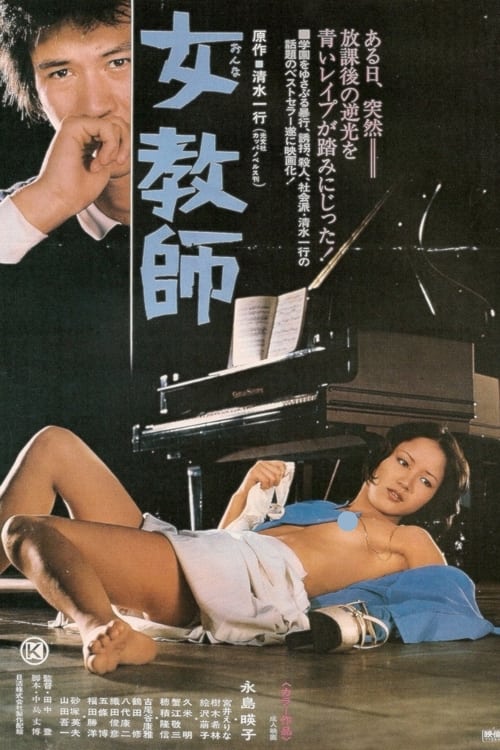
1977

1979
No reviews yet. Be the first to share your thoughts on this movie!
Use the rating form above to leave a star rating and optional review.