Buffalo '66
1998
No user ratings available yet
Representation score: 4.6 out of 10
Representation Score
Good
1994
RDirector
P.J. Hogan
Runtime
106 minutes
Average Rating
No ratings yetNew Showbiz Analysis
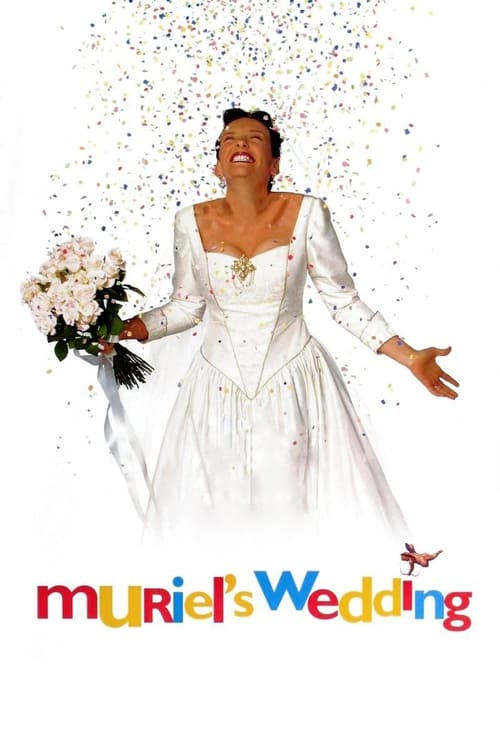
Muriel's Wedding is a sophisticated deconstruction of social norms that prioritizes the perspective of the outsider. Its strength lies in its ability to challenge traditional institutions, such as the idealized family and the consumerist pursuit of beauty. By giving the protagonist dignity and control over her actions, the film disrupts conventional cinematic expectations of what is considered 'socially acceptable.' However, the film is limited by its specific geographic and temporal setting. The lack of a diverse, multi-ethnic cast and the absence of overt LGBTQ+ identities prevent a higher score in those categories. The narrative remains a localized study of class and provincialism. Ultimately, the film succeeds by highlighting the authentic, non-conforming aspects of identity, making it a meaningful exploration of social eccentricity.
Category Breakdown
The film adheres to traditional romantic structures without explicitly featuring queer identities. However, it hints at queer themes by rejecting typical social hierarchies and showcasing unconventional domestic life.
The narrative challenges traditional beauty standards and gender hierarchies. It empowers its protagonist by criticizing the societal pressures on women to embody an idealized version of femininity.
The story emphasizes Australian provincialism and class dynamics rather than exploring multi-ethnic backgrounds. The cast remains largely homogeneous, focusing the protagonist's 'otherness' on socioeconomic status.
The film critiques consumerist celebrity culture and deconstructs the Western fairytale archetype. It also questions the sanctity of the idealized nuclear family through the depiction of the Heslop family.
While not focusing on clinical disabilities, the film deeply explores neurodivergence and social isolation. It portrays Muriel's social awkwardness with psychological depth rather than as a simple caricature.
Present on Screen
Limited or Absent
Official Synopsis
Socially awkward Muriel Heslop wants nothing more than to get married. Unfortunately, due to her oppressive politician father, Muriel has never even been on a date. Ostracized by her more socially adept friends, Muriel runs into fellow outcast Rhonda Epinstalk, and the two move from their small Australian town to the big city of Sydney, where Muriel changes her name and begins the arduous task of redesigning her life to match her fantasies.
1998

1990
1999
1993
1992
2004
2007
1988
No reviews yet. Be the first to share your thoughts on this movie!
Use the rating form above to leave a star rating and optional review.