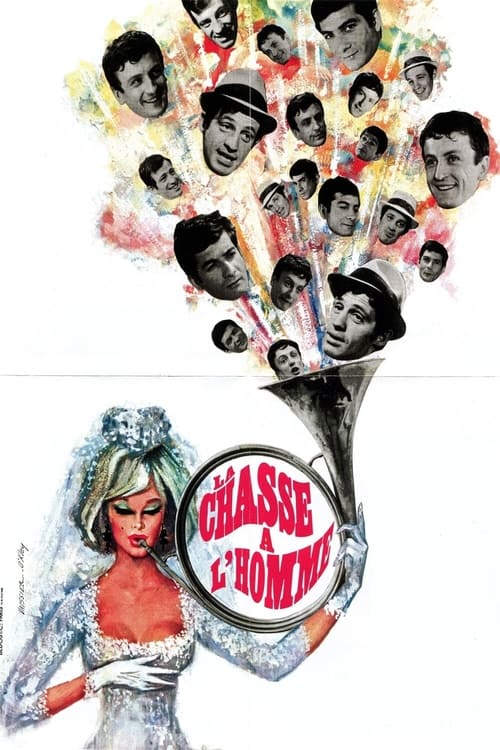
Male Hunt
1964
No user ratings available yet
Diversity score: 3.6 out of 10
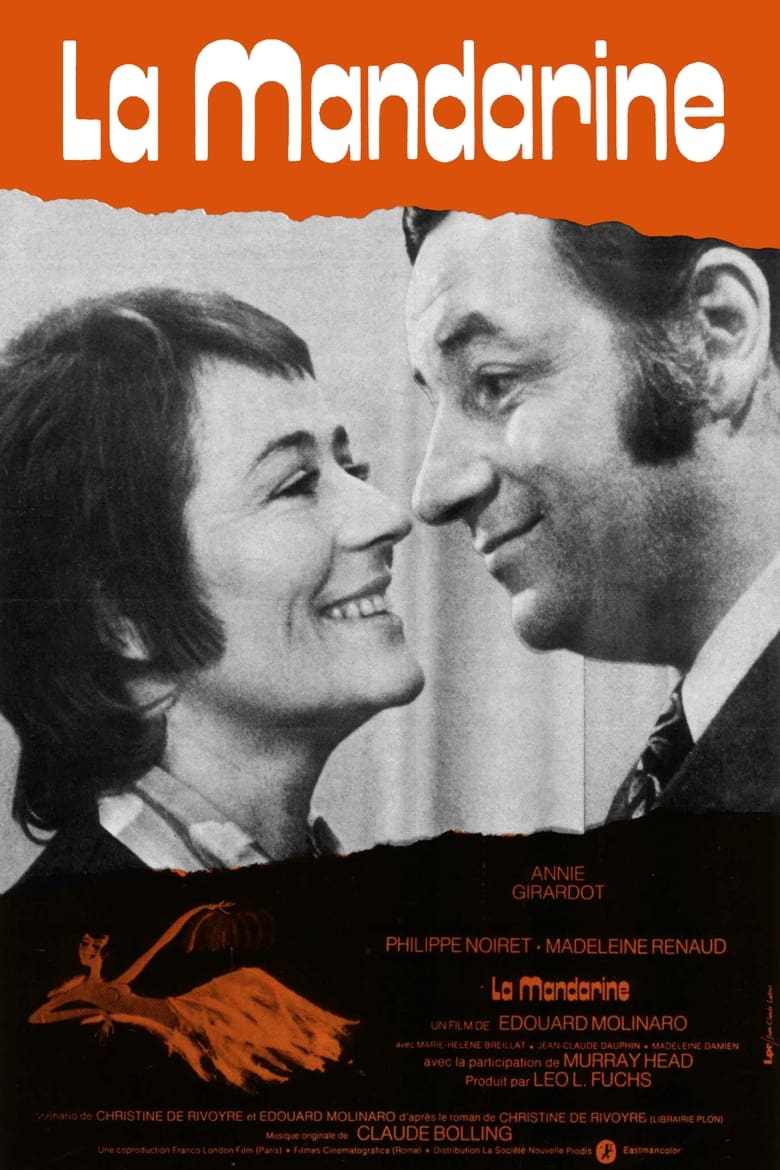
1972
Director
Édouard Molinaro
Runtime
84 minutes
Average Rating
No ratings yetSynopsis
Paris, seventies. In a hotel in the glittering Rue de Rivoli an English boy falls in love with the two young grandchildren of the owner. Based on the novel "La Mandarine" by Christine de Rivoyre.
Overall Score
Limited
Category Breakdown
LGBTQ+ Representation
The film adheres to the heteronormative standards of 1970s European cinema. Romantic focus remains centered on traditional pairings without any evidence of same-sex intimacy.
Gender Representation
While Annie Girardot provides a strong female presence, the narrative relies on established romantic comedy tropes. The plot is driven by courtship and social misunderstandings within traditional gender roles.
Racial & Ethnic Diversity
The cast is predominantly white and European, reflecting the localized Parisian setting. There is no visible evidence of intersectional casting or characters of color in roles of high agency.
Religious & Cultural Diversity
This social comedy operates within the framework of Western bourgeois life. It utilizes stable institutions like the family unit as a backdrop rather than critiquing them.
Disability Representation
There are no visible or invisible disabilities portrayed as central to the character arcs. No characters with disabilities appear to be used as narrative devices.
Strengths
Areas for Improvement
AI Analysis
La Mandarine is a traditional French comedy of manners that prioritizes social nuances and romantic tropes. It functions as a polished look at contemporary French life but maintains a conventional approach to identity and social structures. The film lacks disruption to systemic hierarchies, opting instead for a narrative centered on interpersonal charm and courtship. It reflects the era's cinematic norms by focusing on a localized, predominantly white, and heteronormative cast. Ultimately, the work serves as a culturally specific piece of social comedy that avoids challenging the status quo of its time.
1964

1957
1973

1974

2005
1991

1966
1964
1964

2011
1974
1974
No reviews yet. Be the first to share your thoughts on this movie!
Use the rating form above to leave a star rating and optional review.