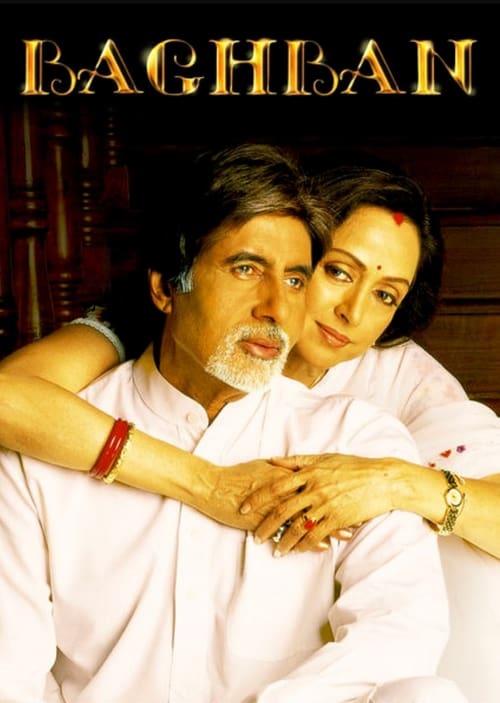
Baghban
2003
No user ratings available yet
Representation score: 5.1 out of 10
Representation Score
Minimal
1997
Director
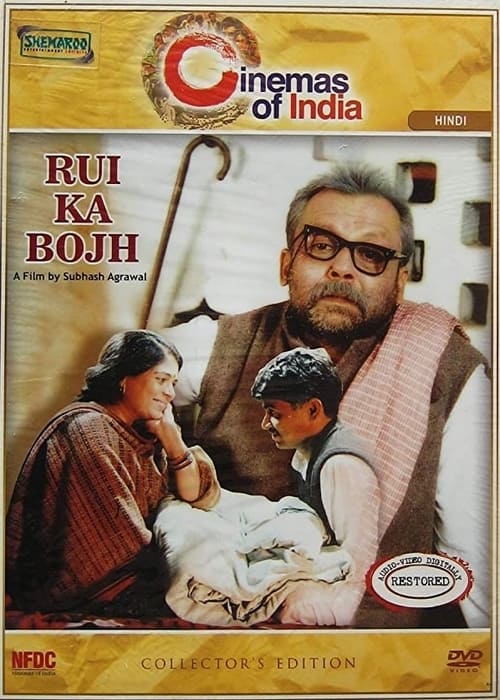
Subhash Agrawal
Runtime
117 minutes
Average Rating
No ratings yetNew Showbiz Analysis
Rui Ka Bojh is a traditionalist drama that prioritizes the preservation of patriarchal lineage and familial duty. The story follows an elderly patriarch attempting to manage his inheritance and the subsequent refusal of his sons to accept responsibility. The film reinforces conventional social hierarchies and traditional family values. It functions as a moralistic exploration of responsibility rather than a deconstruction of broader social structures. While the film provides specific Indian cultural representation, it lacks the blending of different backgrounds or the subversion of established gender and social norms.
Category Breakdown
The film focuses on traditional family dynamics between a father and his sons. There is no evidence of characters with non-traditional gender identities or stories that question the assumption that everyone is straight or cisgender.
The narrative centers on a male patriarch and his male heirs. Power dynamics are rooted in traditional masculine roles, with no indication of women in positions of authority.
As a localized Indian production, the film presents a culturally specific ethnic narrative. It functions within a homogeneous context rather than through the blending of different backgrounds.
The story serves as a didactic exploration of traditional values, emphasizing respect for elders and domestic stability. It promotes established social institutions rather than critiquing them.
The available information provides no mention of characters navigating physical, sensory, or neurodivergent conditions.
Present on Screen
Limited or Absent
Official Synopsis
The story revolves around a self-respecting, wise old Indian man, who decides to divide his wealth and property among his sons and then let them take care of them. But all doesn't go according to his plans as his sons don't want to take his responsibility and things start going downhill for the family from there. It's a journey of old-age, family values, love and respect for your family and responsibility.
2003
1992
2002
2005
2019
1989

2007
2008
No reviews yet. Be the first to share your thoughts on this movie!
Use the rating form above to leave a star rating and optional review.