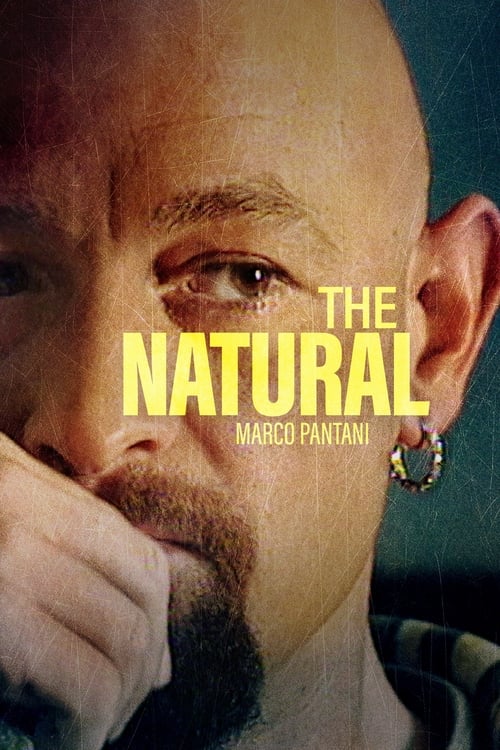
The Natural: Marco Pantani
2021
No user ratings available yet
Representation score: 5.7 out of 10
Representation Score
Limited
2014
PGDirector
James Erskine
Runtime
96 minutes
Average Rating
No ratings yetNew Showbiz Analysis
This documentary is a detailed study of professional cycling, focusing on historical accuracy and investigative reporting. It offers a deep look into a specific era of the sport. The film lacks intentional representation of diverse races, genders, and sexualities. However, it effectively deconstructs institutional integrity and the perceived infallibility of Western sporting organizations. Ultimately, the narrative highlights the protagonist as a victim of both personal struggles and systemic corruption, providing a complex view of human error and institutional failure.
Category Breakdown
The documentary focuses solely on the professional cycling circuit and Marco Pantani's life. There are no LGBTQ+ characters or narratives about non-straight identities.
The film centers on a hyper-masculine world dominated by male athletes. While it delves into the protagonist's mental health, it doesn't give much weight to female perspectives.
The film portrays a predominantly white European cycling community, reflecting the demographics of the sport during Pantani's time. It does not use diverse casting to challenge ethnic norms.
The film criticizes institutional power by highlighting corruption within sporting authorities. It questions traditional morality by examining the 'win at all costs' culture and systemic failures.
The film looks at invisible disabilities through the lens of substance addiction. It explores Pantani's cocaine addiction with depth rather than using it merely as a plot device.
Present on Screen
Limited or Absent
Official Synopsis
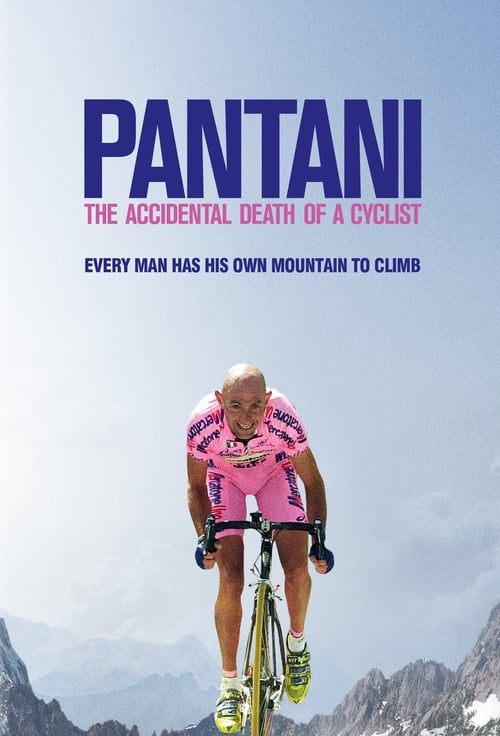
In 1998 Marco Pantani, the most flamboyant and popular cyclist of his era, won both the Tour de France and Giro d'Italia, a titanic feat of physical and mental endurance that no rider has repeated since. He was a hero to millions, the saviour of cycling following the doping scandals which threatened to destroy the sport. However, less than six years later, aged just 34, he died alone, in a cheap hotel room, from acute cocaine poisoning. He had been an addict for five years. This is the story of the tragic battles fought by the most important Italian cyclist of his generation; man verses mountain, athlete verses addiction, Marco Pantani verses himself.
2021
2016
2023
2013

2017
2016
2014
2005
No reviews yet. Be the first to share your thoughts on this movie!
Use the rating form above to leave a star rating and optional review.