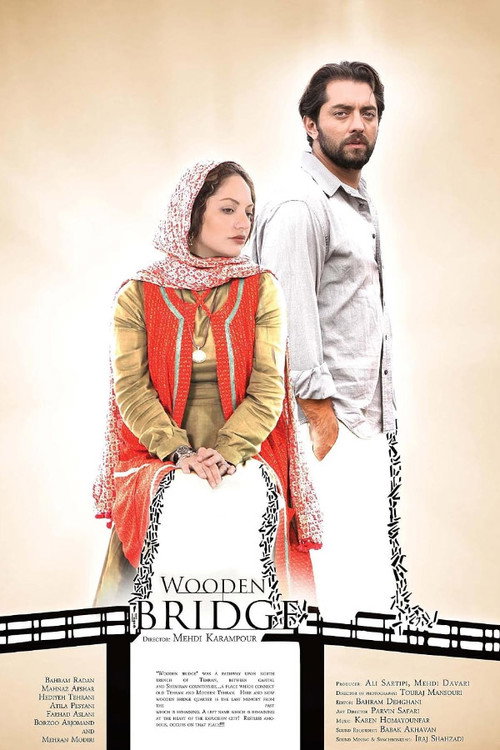
Wooden Bridge
2012
No user ratings available yet
Representation score: 4.4 out of 10
Representation Score
Fair
2016
Director
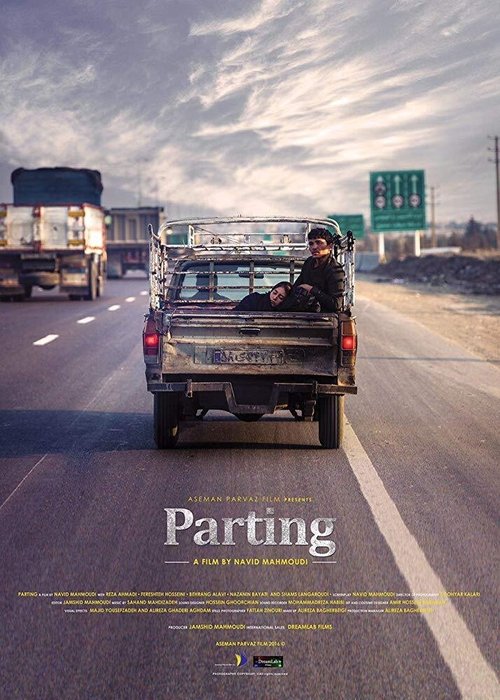
Navid Mahmoudi
Runtime
78 minutes
Average Rating
No ratings yetNew Showbiz Analysis
Parting succeeds as a regional film that challenges Western storytelling traditions. By highlighting the experiences of displaced Afghan individuals, it offers a powerful perspective on migration and human resilience. The film's greatest strength lies in its authentic representation of ethnic and cultural diversity. It goes beyond clichés to explore how geopolitical instability affects human connections and identities. However, the film does not engage with LGBTQ+ or disability-specific narratives. Its focus remains on the traditional romantic and socioeconomic struggles of its main characters.
Category Breakdown
The film focuses on a traditional romantic relationship between Fereshteh and Nabi. It does not include stories about people whose gender or sexual orientation doesn't fit conventional norms or challenge the idea that everyone is straight or cisgender.
Nabi drives the main plot, but the emotional tension comes from Fereshteh's experience of being displaced. The film avoids strict gender roles by making Fereshteh's journey the key force behind the story.
The film offers a genuine look at Middle Eastern and Central Asian identities. It avoids Western casting conventions by focusing on an Afghan narrative and local demographics.
The story criticizes systemic issues by showing how family and state structures break down. It emphasizes humanistic values over adherence to established social or religious norms.
There are no prominent depictions of visible or invisible disabilities. The characters face challenges related to socioeconomic and geopolitical issues rather than physical or neurological conditions.
Present on Screen
Limited or Absent
Official Synopsis
Two young Afghans, Fereshteh and Nabi, are in love, but Fereshteh has to follow her parents and leave Afghanistan to find refuge in Iran. Nabi decides to illegally cross the border, find Fereshteh and take her through Turkey towards Europe and a better life.
2012
2009

2014
2021
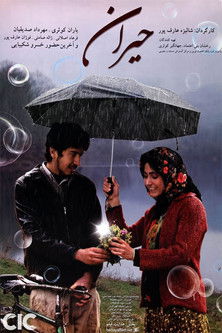
2010
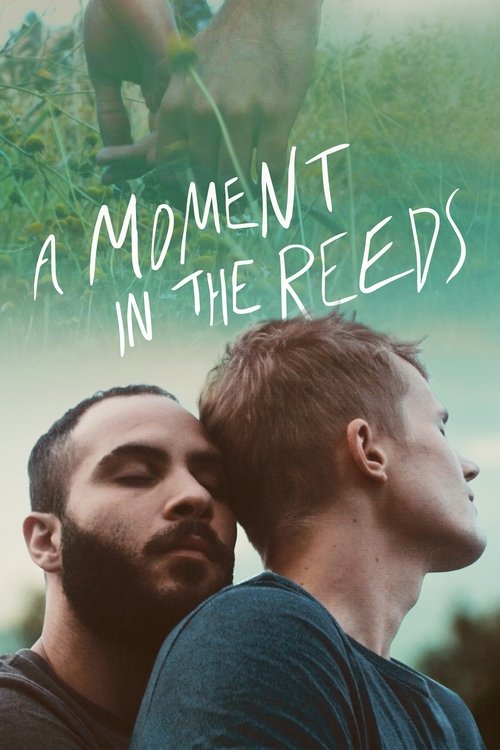
2018

2012

2019
No reviews yet. Be the first to share your thoughts on this movie!
Use the rating form above to leave a star rating and optional review.