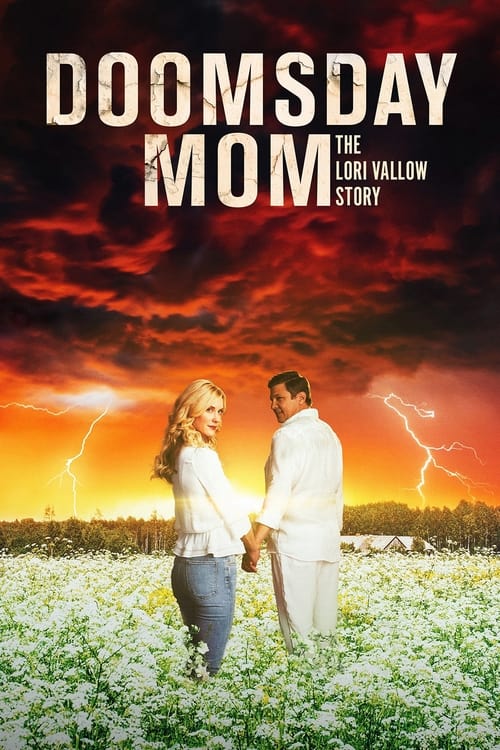
Doomsday Mom
2021
No user ratings available yet
Representation score: 2.0 out of 10
Representation Score
Fair
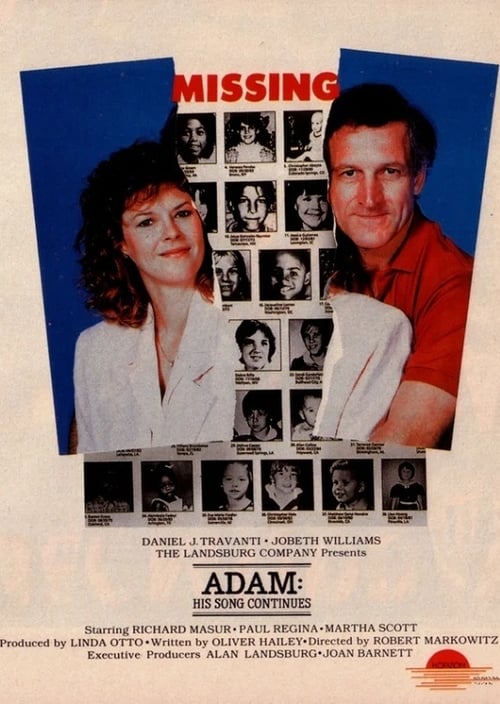
1986
Not RatedDirector
Robert Markowitz
Runtime
100 minutes
Average Rating
No ratings yetNew Showbiz Analysis
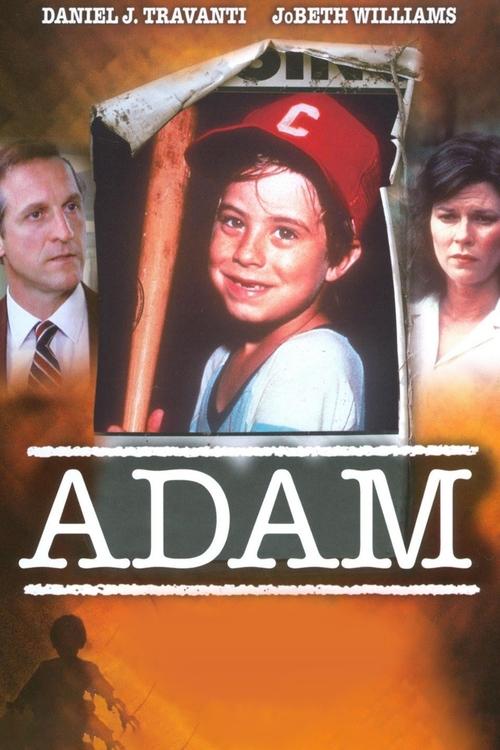
Adam: His Song Continues is a social-realist drama that prioritizes empathy for a specific family tragedy. The narrative structure is designed to advocate for systemic change through public awareness rather than challenging social hierarchies. The film adheres to the conventional cinematic formulas of the 1980s, focusing on a centralized story of loss and resilience while reinforcing traditional institutions like the family and the legal system. While the film offers a powerful look at parental resilience, it lacks significant diversity in terms of identity or social challenges, remaining rooted in a traditional domestic framework.
Category Breakdown
The film centers on a family where everyone is assumed to be straight and cisgender. There is no representation of diverse gender identities or same-sex relationships.
The story highlights the strength of Reve Walsh, but the roles played by the characters align with traditional views of parents dealing with loss. The characters fit into established social roles of protectors and advocates.
This biographical film focuses on a specific American family. The narrative seems to reflect the demographic uniformity common in mid-80s biographical dramas.
The film emphasizes the importance of community and family through civic engagement. It reinforces the value of the family unit and the pursuit of justice through established social and legal channels.
The film explores the psychological impact of trauma and grief. However, these issues are presented as reactive emotional responses rather than proactive explorations of disability.
Present on Screen
Limited or Absent
Official Synopsis
Follows the true story of John and Reve Walsh who, after their child was murdered, fought to raise national awareness of the problem of missing children.
2021
1983
2014
1993
2014
2006
1985
No reviews yet. Be the first to share your thoughts on this movie!
Use the rating form above to leave a star rating and optional review.