
The Eiffel Tower Mystery
2015
No user ratings available yet
Representation score: 6.0 out of 10

Representation Score
Fair
2018
Director
Léa Fazer
Runtime
0 minutes
Average Rating
No ratings yetNew Showbiz Analysis
The film excels at using gendered narrative arcs to drive its plot. By centering on a female pioneer, the story directly challenges historically male-dominated academic and legal hierarchies. However, the representation remains narrow in other areas. The lack of specific information regarding LGBTQ+ identities and racial diversity prevents a more inclusive score. Ultimately, the film critiques institutional authority, focusing on the tension between an individual and the systemic structures of the Sorbonne.
Category Breakdown
The film does not explicitly confirm any LGBTQ+ characters or non-straight identities. The story focuses primarily on the central legal conflict and the protagonist's innocence.
Victoire serves as a powerful symbol of institutional disruption as the first female law student at the Sorbonne. She struggles against a system that criminalizes her critiques of patriarchal academic structures.
The setting suggests a cosmopolitan European environment, but there are no specific details about the racial makeup of the cast. The score reflects a neutral baseline for a contemporary French setting.
The story engages with themes of systemic skepticism, pitting an academic pioneer against established legal authorities. Traditional Western institutions are portrayed as potentially corrupt or prone to error.
There is no evidence of characters with visible or invisible disabilities within the narrative.
Present on Screen
Limited or Absent
Official Synopsis
Victoire, the first female law student admitted to the Sorbonne, is accused of murder. Helped by her professor, she's in a race against time to prove her innocence.
2015

2023

2017
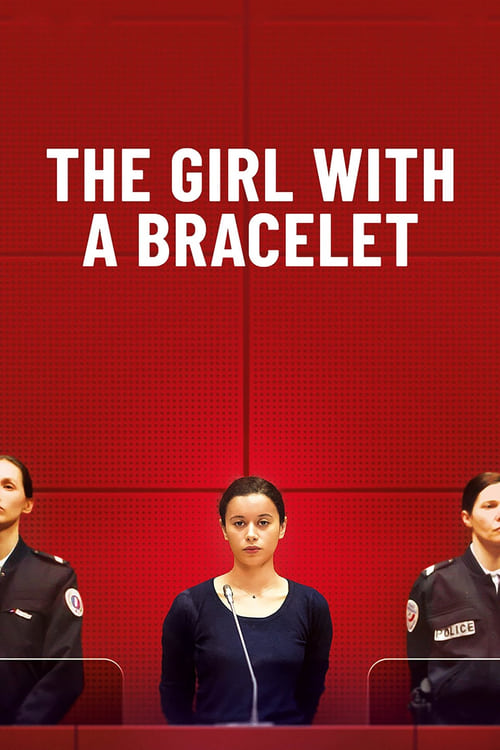
2020
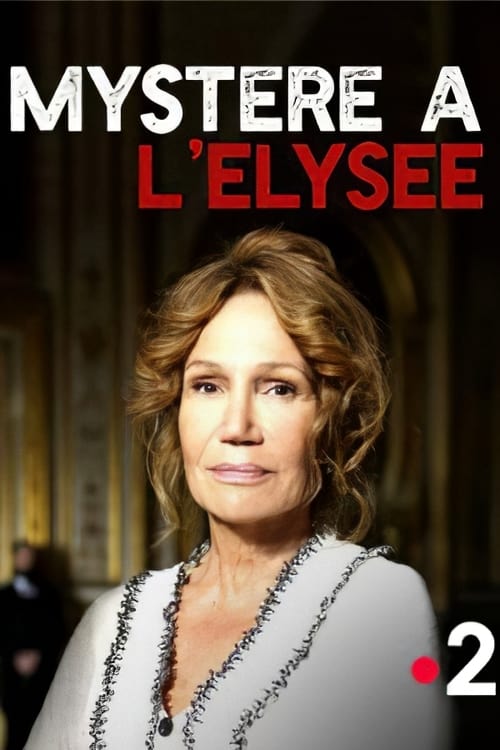
2018
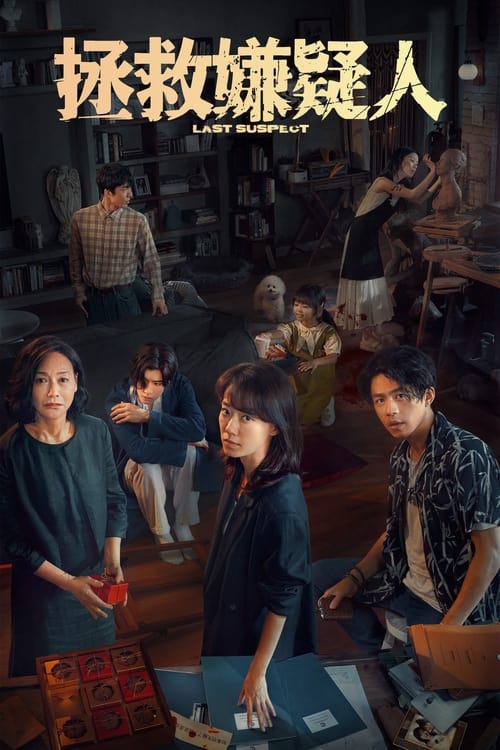
2023
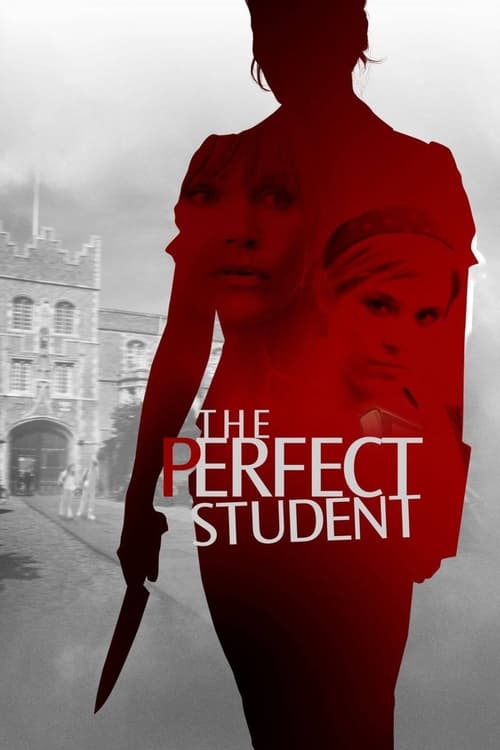
2011

2019
No reviews yet. Be the first to share your thoughts on this movie!
Use the rating form above to leave a star rating and optional review.