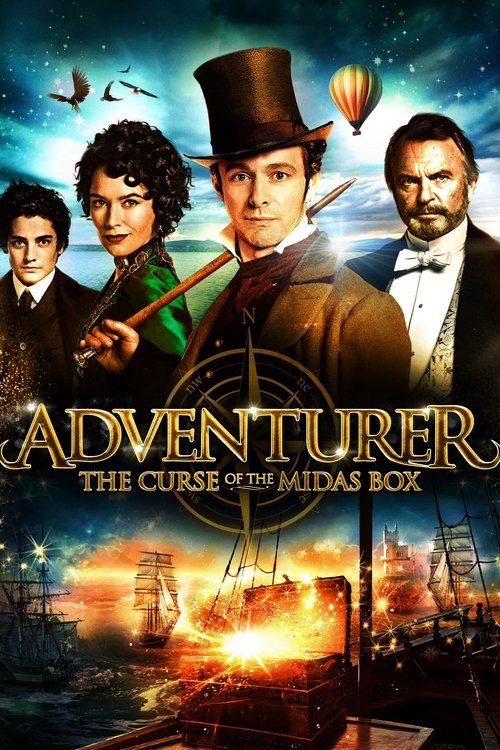
The Adventurer: The Curse of the Midas Box
2013
No user ratings available yet
Representation score: 2.8 out of 10
Representation Score
Fair
2008
PGDirector
Iain Softley
Runtime
106 minutes
Average Rating
No ratings yetNew Showbiz Analysis
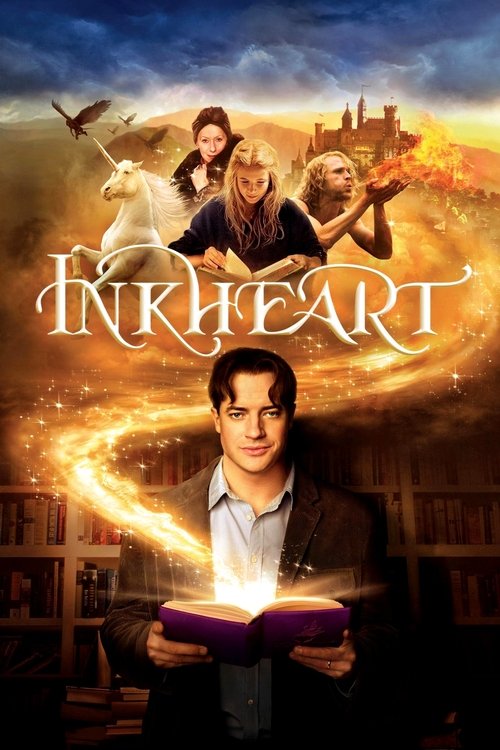
Inkheart functions as a traditional adventure narrative that emphasizes classical storytelling clichés. While it offers meaningful character development for its female lead, the film lacks the complexity needed to challenge established social hierarchies. The world-building focuses on a Western fantasy framework, avoiding critiques of power or cultural institutions and instead emphasizing a binary moral structure between protagonists and antagonists. Ultimately, the film's reliance on homogeneous casting and assumptions about gender identity results in a narrow demographic scope.
Category Breakdown
The film adheres to the assumption that everyone is straight or cisgender, with no representation of non-binary gender identities or same-sex relationships.
Meggie's character evolves significantly, moving from a passive observer to a key driver of the plot. However, the central emotional focus remains on the paternal relationship.
The casting is predominantly white and lacks ethnic diversity, with the main characters having similar backgrounds.
The story is set within a conventional Western fantasy context, avoiding critiques of Western institutions and focusing on the metaphysical boundaries of the narrative.
The film does not include characters with visible or invisible disabilities, focusing instead on magical abilities rather than neurodivergence or physical impairments.
Present on Screen
Limited or Absent
Official Synopsis
The adventures of a father and his young daughter, in their search for a long lost book that will help reunite a missing, close relative.
2013
2009
2010
2010
2018

1997
2007
2023
No reviews yet. Be the first to share your thoughts on this movie!
Use the rating form above to leave a star rating and optional review.