Where Love Found Me
2016
No user ratings available yet
Representation score: 3.3 out of 10

Representation Score
Limited
2005
PG-13Director
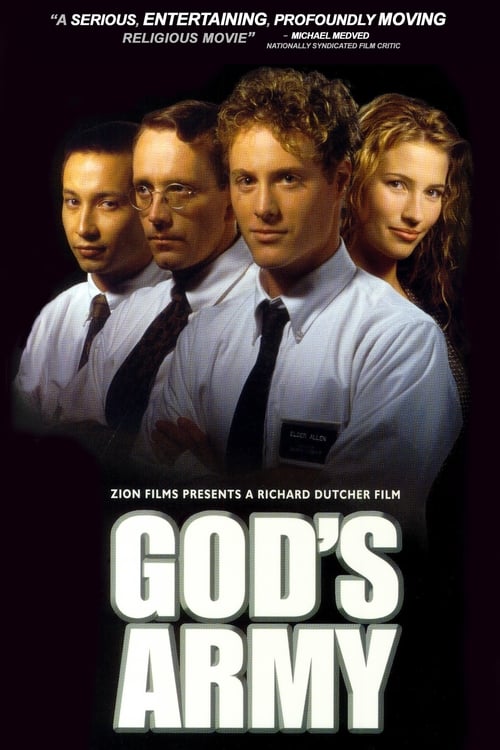
Richard Dutcher
Runtime
128 minutes
Average Rating
No ratings yetNew Showbiz Analysis
God's Army 2: States of Grace is a faith-based drama that emphasizes religious orthodoxy over social diversity. The narrative structure reinforces traditional moral hierarchies and Western religious values without challenging them. Urban settings and diverse characters serve as backdrops for spiritual redemption, treating social issues as individual moral failings needing religious correction rather than systemic problems. The film preserves traditionalist frameworks and lacks intentional representation of underrepresented identities or nuanced portrayals of unconventional social roles.
Category Breakdown
The film adheres to a strict theological framework with no LGBTQ+ characters or non-binary gender identities.
The film upholds traditional gender roles and patriarchal leadership, with female characters like Holly serving mainly as supporting figures.
While the Venice setting hints at a diverse community, the film uses this diversity as a backdrop for a central moral message rather than highlighting intersecting identities.
The story centers on Christian morality and divine intervention, endorsing religious institutions and absolute moral truths.
Socioeconomic struggles are framed through a spiritual lens, but there is no portrayal of characters with disabilities or neurodivergence.
Present on Screen
Limited or Absent
Official Synopsis
A drive-by shooting in Venice, California, changes the lives of five people forever. States of Grace tells the story of a homeless street preacher, Louis, a gang banger, Carl, an aspiring actress, Holly, and two young missionaries, Lozano and Farrell, in what critics have hailed as one of the finest films of the year and one of the best Christian-themed films ever made.
2016

2014
2006

1997
2000

2023
2008

2015
No reviews yet. Be the first to share your thoughts on this movie!
Use the rating form above to leave a star rating and optional review.