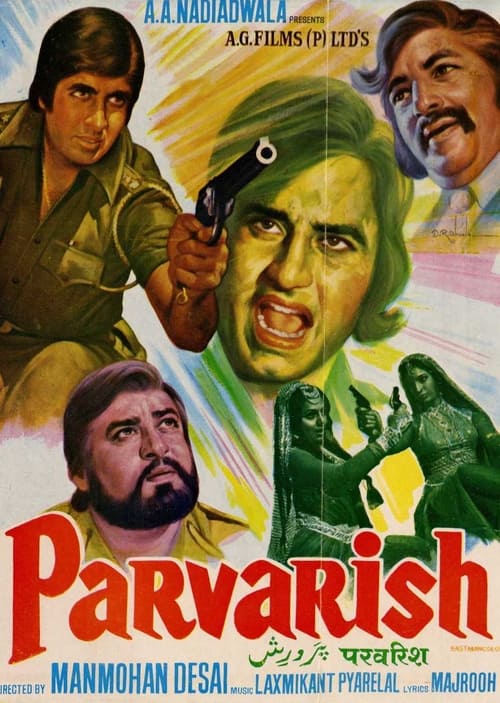
Parvarish
1977
No user ratings available yet
Representation score: 1.5 out of 10
Representation Score
Fair
1970
Director
Manmohan Desai
Runtime
157 minutes
Average Rating
No ratings yetNew Showbiz Analysis
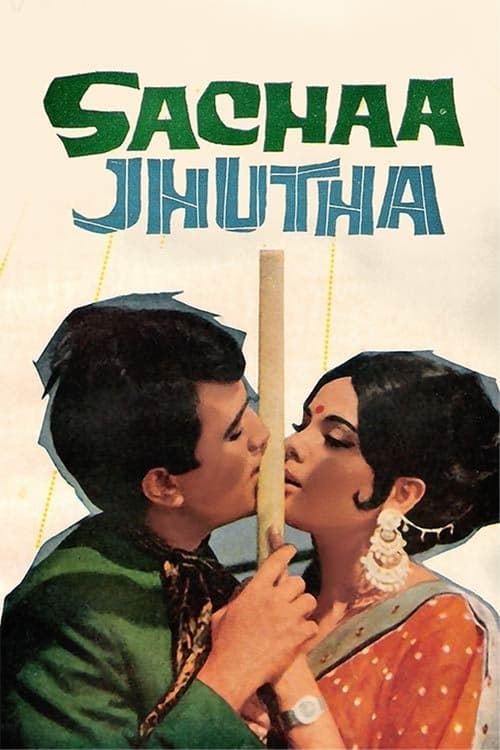
Sachaa Jhutha is a quintessential example of 1970s commercial Indian cinema, prioritizing high-energy, populist entertainment. It succeeds in providing cultural authenticity by featuring a predominantly South Asian cast and avoiding Western-influenced perspectives. However, the film maintains the rigid social hierarchies of its time. It adheres to traditional gender roles and heterosexual structures, offering little room for diverse identities or the subversion of established norms. Ultimately, the film functions as a character-driven comedy of errors. It celebrates individual morality through its central theme of truth versus lies rather than engaging in sociopolitical deconstruction.
Category Breakdown
The film follows traditional heterosexual structures typical of 1970s commercial cinema. Romantic storylines focus on male-female relationships, with no indication of diverse gender identities.
Gender roles follow the conventions of the era. The male lead drives the plot, while female characters primarily fill traditional romantic and domestic roles.
The film features a predominantly South Asian cast, emphasizing indigenous identities. It avoids Anglo-centric viewpoints by centering on local narratives naturally.
The narrative focuses on escapism rather than critiquing societal systems. It operates within established social norms, emphasizing individual morality over challenging traditional institutions.
There is no significant representation of characters with visible or invisible disabilities. The film does not provide much ability to act to characters with disabilities.
Present on Screen
Limited or Absent
Official Synopsis
A penniless musician is unwittingly forced to trade places with a look-alike diamond merchant/thief causing a comedy of errors by everyone involved.
1977
1999
1970
2012
1974

1997

1972
1975
No reviews yet. Be the first to share your thoughts on this movie!
Use the rating form above to leave a star rating and optional review.