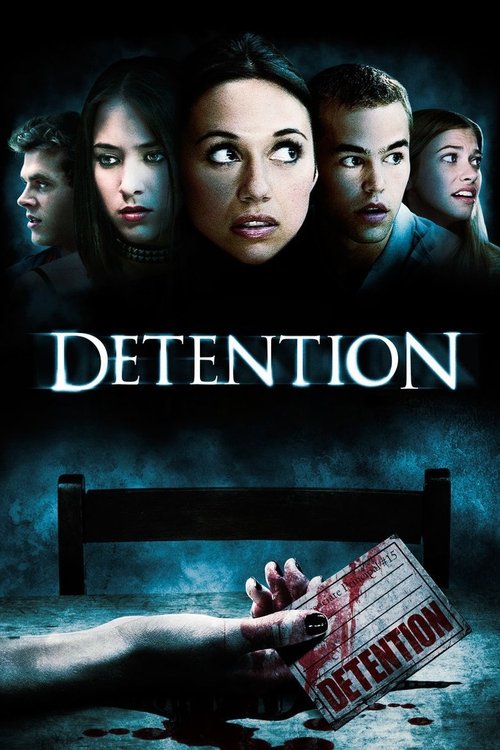
Detention
2010
No user ratings available yet
Representation score: 3.2 out of 10

Representation Score
Limited
2012
RDirector
Matthew Spradlin
Runtime
91 minutes
Average Rating
No ratings yetNew Showbiz Analysis
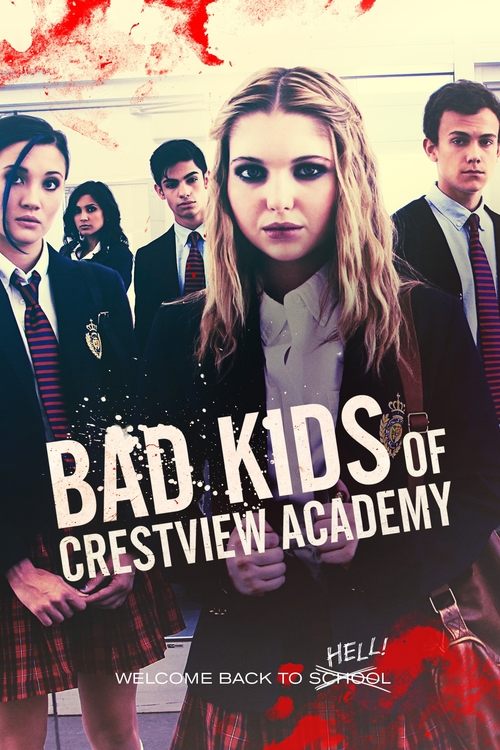
Bad Kids Go to Hell operates within the established conventions of teen horror, focusing on genre-specific thrills rather than multi-layered complexity. The narrative relies on traditional clichés of adolescent rebellion and supernatural conflict without intentionally challenging social norms. The film's structure maintains conventional expectations of social hierarchy. It focuses on the mechanics of survival and the friction between students and authority without using identity politics to drive character arcs. Ultimately, the creative direction favors genre-standard archetypes. The work lacks the intentionality required to function as a progressive critique of cultural or institutional norms.
Category Breakdown
The film does not include any characters or themes related to LGBTQ+ identities. There is no evidence of LGBTQ+ characters or queer themes driving the plot.
Female characters play central roles as protagonists facing various threats. However, the film follows typical genre archetypes without challenging traditional gender hierarchies.
Casting follows demographic norms typical of teen horror. The ensemble lacks significant evidence of color-blind casting or a non-Anglo-Saxon majority.
The tension between youth and authority serves as a catalyst for horror without deconstructing institutions. It lacks a sophisticated ideological framework.
There is no evidence of characters with visible or invisible disabilities being integrated into the narrative with significant roles.
Present on Screen
Limited or Absent
Official Synopsis
On a stormy Saturday afternoon, six students from Crestview Academy begin to meet horrible fates as they serve detention. Is a fellow student to blame, or perhaps Crestview's alleged ghosts are behind the terrible acts?
2010
2016
2017

2006

2008

2020
2015

2017
No reviews yet. Be the first to share your thoughts on this movie!
Use the rating form above to leave a star rating and optional review.