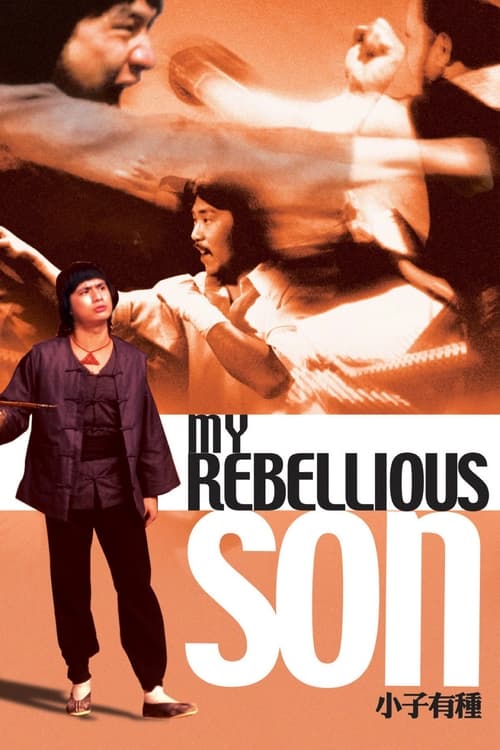
My Rebellious Son
1982
No user ratings available yet
Representation score: 6.6 out of 10
Representation Score
Limited
1987
Director
Leo Fong
Runtime
77 minutes
Average Rating
No ratings yetNew Showbiz Analysis
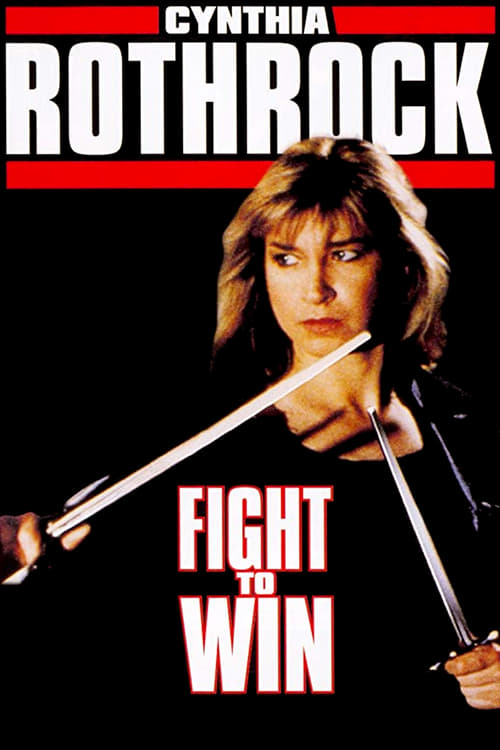
Fight to Win is a genre-driven action-comedy that highlights ethnic visibility. By focusing on the possession of ancient Chinese statues, the film moves away from the predominantly white casts common in 1980s cinema. However, the film lacks depth in representing diverse identities. The narrative structure leans heavily on traditional masculine roles, and there is no representation of LGBTQ+ or disabled characters. Ultimately, while the film offers a platform for non-Western cultural motifs, it primarily serves as a martial arts piece rather than a complex social commentary.
Category Breakdown
The film does not include any LGBTQ+ characters or themes. The story revolves around the conflict over ancient Chinese statues.
The story relies on traditional masculine roles focused on combat and physical dominance. There is no indication of women taking a leading role or challenging gender hierarchies.
The plot emphasizes East Asian heritage through the pursuit of Chinese artifacts. This suggests a cast centered around martial artists of color.
Cultural artifacts play a key role in driving the plot. However, the film follows standard genre approaches to these cultural themes.
The film does not mention any characters with visible or invisible disabilities. There is no representation of neurodivergent individuals.
Present on Screen
Limited or Absent
Official Synopsis
Martial artists in America battle over the possession of three ancient Chinese statues.
1982
1982
1978
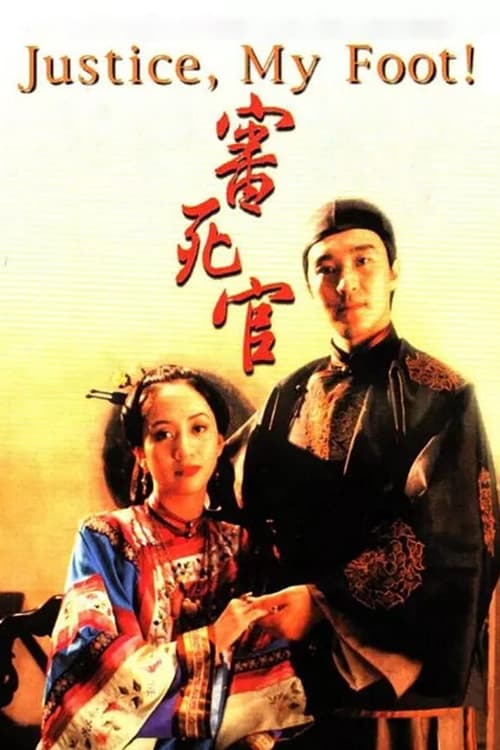
1992
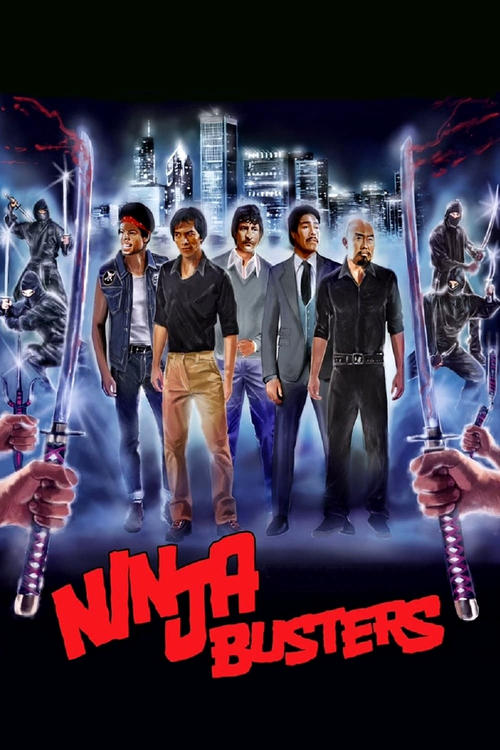
1984
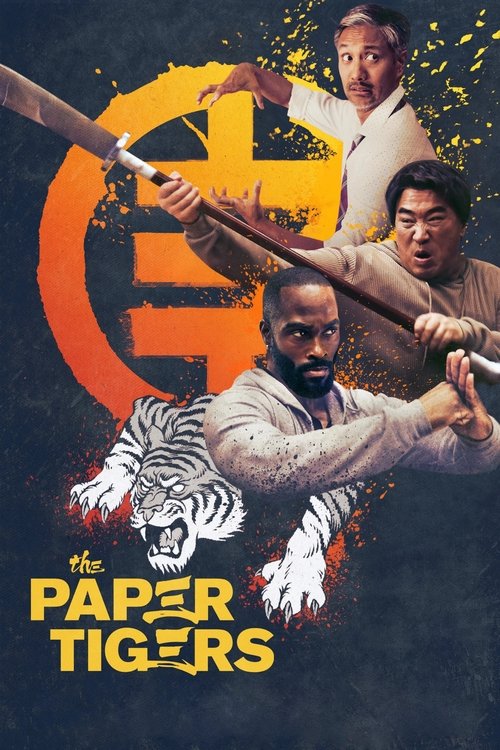
2020
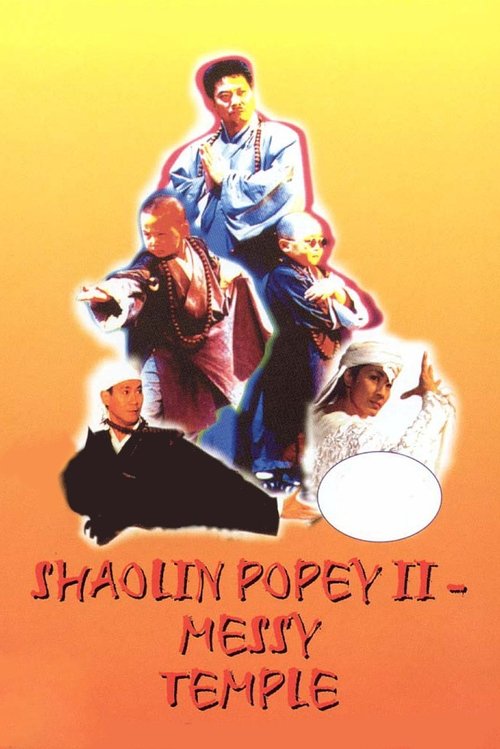
1994
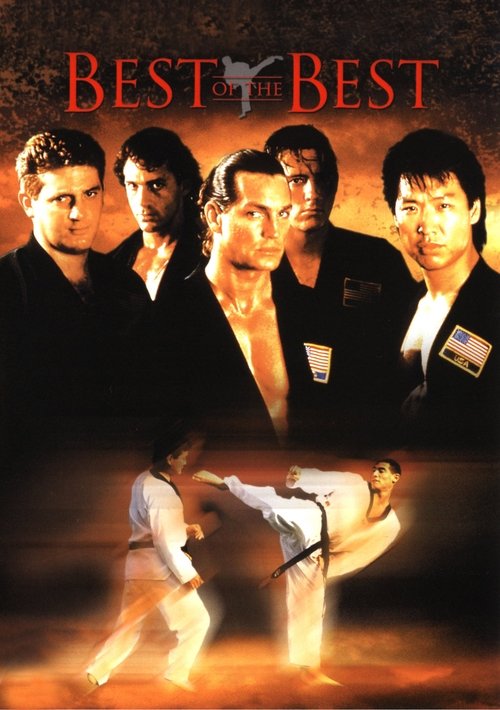
1989
No reviews yet. Be the first to share your thoughts on this movie!
Use the rating form above to leave a star rating and optional review.