
Burn Out
2017
No user ratings available yet
Representation score: 3.9 out of 10
Representation Score
Minimal
2026
PGDirector
Kid Koala
Runtime
86 minutes
Average Rating
No ratings yetNew Showbiz Analysis
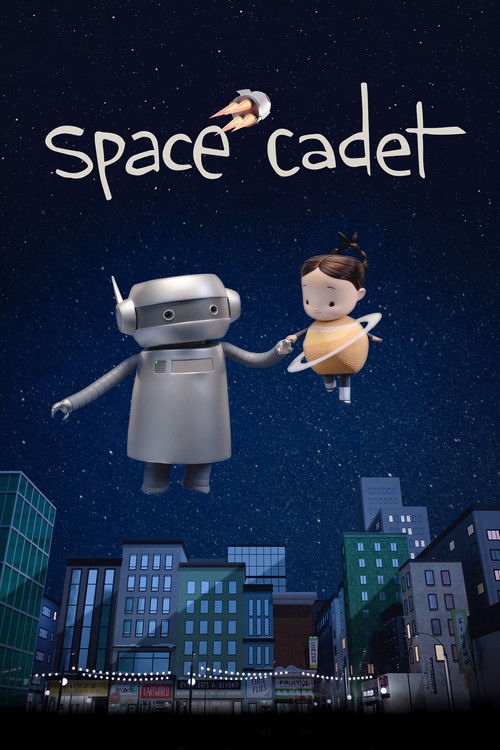
Space Cadet opens not with a launch sequence, but with the quiet hum of a machine and the silence of a child, establishing a world where communication is musical rather than verbal. Directed by Kid Koala, this 2026 animated fable strips away dialogue to explore grief and love across generations, positioning the bond between a young astronaut and her guardian robot as the sole moral center. The film’s argument is one of emotional resilience: in a universe that offers no answers, the act of caring for another—human or mechanical—becomes the only viable response to loss. The sold meaning is one of universal, secular connection. By removing language, the film avoids the pitfalls of specific cultural or political commentary, instead selling a "tomorrow-days lullaby" that treats the future as a space for healing rather than conflict. The robot, a non-human entity, serves as the steady anchor against the chaos of human emotion, suggesting that stability and love are not bound by biological or social categories. There is no villain, no national agenda, and no traditional hierarchy to overthrow; the only conflict is internal and generational. The ending, implied by the focus on "finding your place in the universe," likely settles on a note of acceptance rather than triumph. The camera loves the quiet moments—the shared silence, the musical cues that replace speech—rather than grand gestures. This is a film that values presence over performance, where the "progressive" element is the simple, unmarked acceptance of a non-traditional family unit: a girl and her robot. It does not challenge Western defaults so much as it bypasses them, offering a gentle, melodic escape from the noise of contemporary discourse. The final image is not a verdict on society, but a lullaby for the self.
Category Breakdown
No queer markers appear. The bond is strictly platonic between a human and a machine. The narrative excludes same-sex intimacy entirely.
A young female astronaut leads the story. The robot’s gender remains unspecified. The dynamic stays neutral, avoiding traditional gendered roles.
No racial identifiers exist for the characters. The stylized animation leaves demographics undocumented. Specific ethnic representation is absent from the evidence.
The film centers on universal grief and love. It avoids national or religious dogma. A secular, humanist view guides the emotional journey.
No physical or cognitive disabilities are present. The robot is a technological entity, not a proxy for human impairment or neurodiversity.
Present on Screen
Limited or Absent
Official Synopsis
A young astronaut and her guardian robot explore grief, loss and love across generations.
2017
2005
2013

2014
2027
2018
2022
2025
No reviews yet. Be the first to share your thoughts on this movie!
Use the rating form above to leave a star rating and optional review.