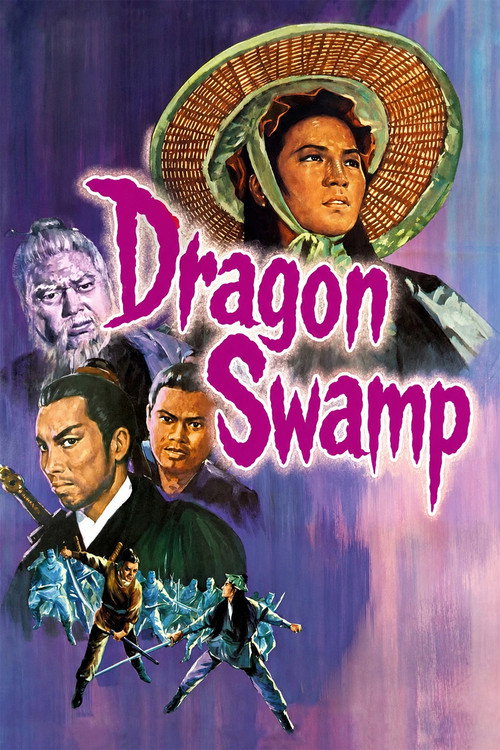
Dragon Swamp
1969
No user ratings available yet
Representation score: 4.4 out of 10

Representation Score
Limited
1969
Director
Lo Wei
Runtime
101 minutes
Average Rating
No ratings yetNew Showbiz Analysis
The Golden Sword is a quintessential 1969 genre piece that emphasizes traditional wuxia clichés over modern multi-layered themes. While it lacks diverse casting or critical perspectives on societal structures, it offers a strong female lead who play a significant role in driving the story. The narrative remains strictly straight-centered and ethnically homogeneous, reflecting the cinematic conventions of its time. Ultimately, the film presents a classic tale of individual heroism and romantic partnership, without the broad representation seen in contemporary cinema.
Category Breakdown
The film follows a traditional path focused on heterosexual relationships. There are no depictions of same-sex intimacy or gender identities outside the cisgender norm.
The film includes a strong female character who actively participates in the story, challenging traditional feminine roles.
The cast is predominantly Chinese, reflecting a single cultural perspective typical of Shaw Brothers productions. There is no representation of multicultural backgrounds.
The story is set within the traditional wuxia genre, emphasizing personal honor and individual morality within an ancient Chinese context.
The film does not depict any physical or neurodivergent disabilities. Characters are portrayed as idealized martial artists with peak physical abilities.
Present on Screen
Limited or Absent
Official Synopsis
Bai Yu Lung's father mysteriously disappears one night, and for 10 years Bai searches for him in vain. Finally, he decides to head to the far northern part of the country with the hope that he can find a clue in that region. There, he falls in love with a beggar (Cheng Pei-pei) and they continue the search together.
1969

1967
1969

1966

1968

1977
1967

1967
No reviews yet. Be the first to share your thoughts on this movie!
Use the rating form above to leave a star rating and optional review.