Gut
2012
No user ratings available yet
Representation score: 3.2 out of 10
Representation Score
Good
2015
Director
Pavel Khvaleev
Runtime
80 minutes
Average Rating
No ratings yetNew Showbiz Analysis
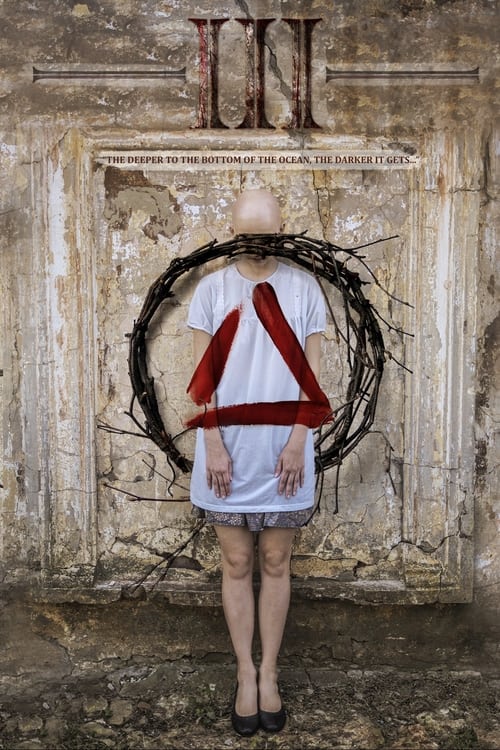
III is a psychological thriller that finds its strength in centering a strong female protagonist. Ayia is not a passive observer but an active participant who must navigate existential dread and spiritual mysteries to save her sister. However, the film's demographic scope is narrow. The setting appears culturally and racially homogeneous, focusing on a traditional European social structure that lacks broader representation. While the film deconstructs religious certainty, it remains a localized character study. It succeeds in psychological depth but offers limited diversity in terms of race, sexuality, or multi-ethnic perspectives.
Category Breakdown
The film does not explicitly depict LGBTQ+ identities or relationships that go beyond the assumption that everyone is straight. The narrative centers on the bond between sisters and their connection to a religious figure.
Ayia is a strong central protagonist who drives the plot through intellectual and spiritual exploration. She disrupts typical female stereotypes by taking a leading role rather than being a passive observer.
Set in a small European town, the story suggests a homogeneous social environment. There is no indication of a multi-ethnic cast or diverse representation within the narrative.
The film explores a tension between organized religion and unconventional spiritual practices. While a priest is present, the story leans towards more esoteric, non-traditional religious texts.
An unknown disease serves as the central plot catalyst, prompting an exploration of mental and neurological conditions. However, the illness primarily functions as a narrative device.
Present on Screen
Limited or Absent
Official Synopsis
A small European town, where sisters Ayia and Mirra live, gets struck down by an unknown disease which takes many lives. Following their mother's death, the younger sister falls ill. Having realized that conventional medicine is useless in the face of the sister's disease, Ayia seeks help from Father Herman, a parish priest and a close family friend. In his house she finds books that are very far from the conventional religion. She gets to know that only penetration into Mirra's sick subconscious mind and discovery of the true cause of her disease will give her a chance to save her sister. Ayia is ready to go through this terrifying ritual, dive into the depths of the subconscious mind, and face the demons residing there. But will she cope with her own fear when she discovers the mysteries of her sister's past? Since the closer to the bottom of the ocean, the darker it gets.
2012
2006
2013

2017
2010

2014
2025
2021
No reviews yet. Be the first to share your thoughts on this movie!
Use the rating form above to leave a star rating and optional review.