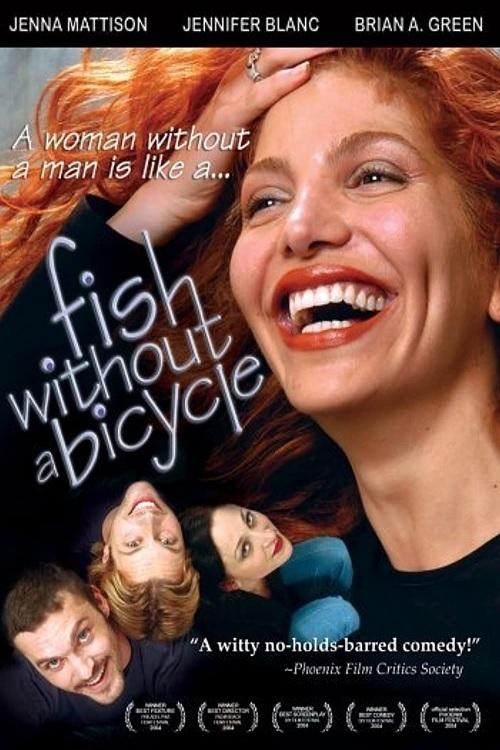
Fish Without a Bicycle
2003
No user ratings available yet
Representation score: 3.8 out of 10

Representation Score
Good
1999
RDirector
Adrienne Shelly
Runtime
94 minutes
Average Rating
No ratings yetNew Showbiz Analysis
I'll Take You There opens with the sterile manicure of a suburban street, a visual promise of order that the film immediately dismantles. Directed by Adrienne Shelly, the film positions its leads, Bernice and Bill, as messy counterpoints to the polished, hollow perfection of their neighbors. The sold meaning is clear: authentic emotional chaos is superior to the performative calm of traditional domesticity. Bernice, the active force, forces Bill out of his shell, treating his recovery not as a return to normalcy but as an embrace of his own disarray. The camera lingers on their exhaustion and awkwardness, framing these traits as genuine, while the "perfect" suburban couple serves as a static, empty backdrop. The ending rewards this union of misfits, leaving the rigid social structures they disrupted behind. It is a critique of conformity that values the raw, unpolished self over the curated image, a distinctly 1990s indie stance that finds freedom in the refusal to perform.
Category Breakdown
The narrative relies exclusively on heterosexual pairings and traditional marriage dynamics. No same-sex intimacy or queer identity is depicted or discussed.
Bernice drives the plot’s momentum, initiating the blind date and maintaining agency despite her breakup. Bill is framed as the passive, recovering partner who needs her intervention.
The cast is predominantly white, reflecting the suburban setting. Ben Vereen appears as Mr. Gwin, but the film offers no depth to non-white perspectives or interracial dynamics.
Suburban conformity and traditional domesticity are treated as hollow traps. The film favors authentic, messy emotional expression over polished social performance, positioning non-conformity as the moral high ground.
No characters have visible or discussed disabilities. Physical ailments are not central to the narrative or character development.
Present on Screen
Limited or Absent
Official Synopsis
Still nursing wounds from a breakup, a man is forced by his sister into a blind date that turns into a nightmare.
2003
2006
2003

2017
1998
1996

2005

2007
No reviews yet. Be the first to share your thoughts on this movie!
Use the rating form above to leave a star rating and optional review.