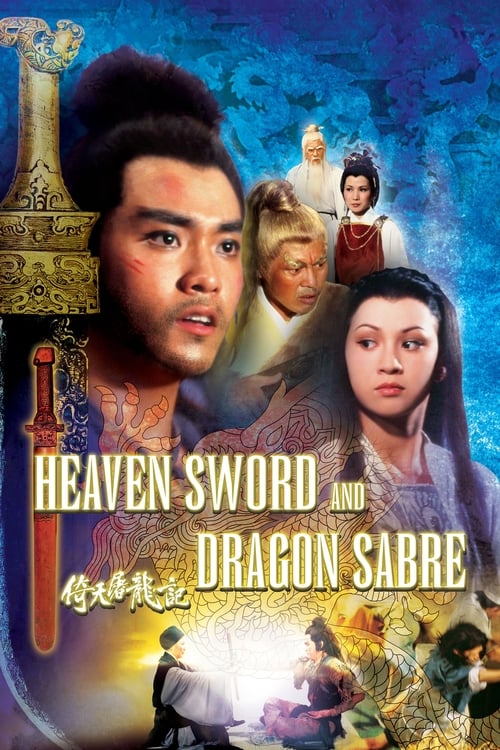
Heaven Sword and Dragon Sabre
1978
No user ratings available yet
Representation score: 3.2 out of 10
Representation Score
Fair
1978
Director
Chor Yuen
Runtime
98 minutes
Average Rating
No ratings yetNew Showbiz Analysis
Chor Yuen’s direction offers a nuanced exploration of genre-specific subversion. The film stands out by portraying characters who challenge established social and political hierarchies through personal merit and martial prowess. Though the production does not include modern markers of diversity such as LGBTQ+ or disability representation, it excels in its portrayal of strong female characters. The narrative critiques centralized authority, favoring a complex landscape of personal honor and factional loyalty. Ultimately, the film’s strength lies in its skepticism towards monolithic authority, replacing institutional stability with a multifaceted view of personal and communal integrity.
Category Breakdown
The film follows traditional social structures typical of period pieces, focusing on conventional romantic relationships and family lines without showing diverse gender identities.
Strong female martial artists like Zhao Min and Zhou Zhiruo drive the plot with intelligence and combat skills, challenging traditional feminine roles by outmaneuvering male opponents.
The cast is ethnically uniform, reflecting the ancient Chinese setting. However, the narrative delves into cultural complexity through themes of ethnic identity and resistance against foreign occupation.
The story criticizes centralized imperial power by highlighting the localized justice of martial arts sects. It emphasizes personal honor and factional autonomy over state-imposed morality.
Disability is not a central theme in this film. There is no representation of neurodivergent or visible disabilities.
Present on Screen
Limited or Absent
Official Synopsis
The thrills continue in this second part of this cherished adventure, created by the renowned director Chu Yuan and ingenious novelist Chin Yung. Only the union of the title weapons can save the six remaining martial arts sects who are vying for mastery. So just sit back and enjoy the movie event which spawned a legacy that continues even today with a long-running, internationally loved television series, a role-playing game, and even collectible replicas of the Heaven Sword and Dragon Sabre themselves!
1978
1967
1976
1967
1978
1979
1982
1977
No reviews yet. Be the first to share your thoughts on this movie!
Use the rating form above to leave a star rating and optional review.