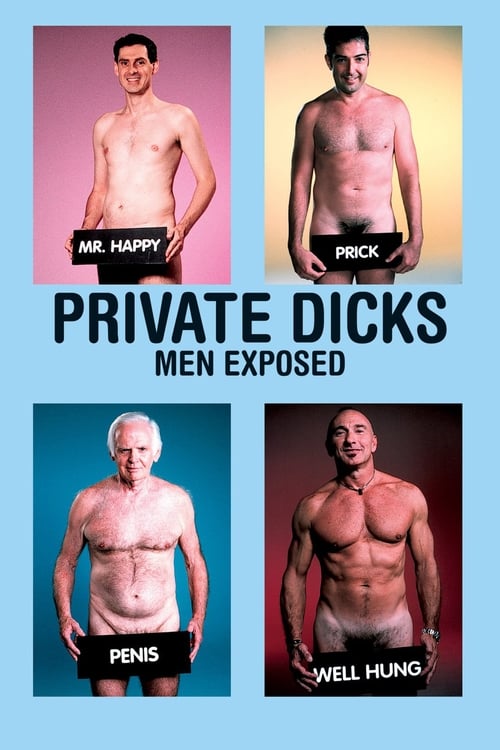
Private Dicks: Men Exposed
1999
No user ratings available yet
Representation score: 8.0 out of 10

Representation Score
Good
2013
Director
Brian Fender
Runtime
50 minutes
Average Rating
No ratings yetNew Showbiz Analysis
Brian Fender’s DIY documentary uses a grassroots approach to dismantle social taboos surrounding anatomy and masculinity. By recruiting volunteers via Craigslist, the film bypasses traditional industry gatekeepers to capture raw, unmediated human experiences. The work succeeds in disrupting traditional hierarchies by granting subjects a significant role in defining their own realities. It moves beyond polished, commercialized spectacles to focus on the vulnerability beneath various male archetypes. While the film excels in exploring gender identity and non-cisgender perspectives, it lacks specific evidence regarding racial composition or disability representation. This creates a profile of high inclusivity in identity but moderate clarity in demographic breadth.
Category Breakdown
The film includes transgender individuals, integrating non-cisgender identities into a candid dialogue. This inclusion challenges assumptions that everyone is straight or cisgender and treats underrepresented voices with humanity and curiosity.
The documentary deconstructs masculinity by stripping away the social armor of various male archetypes. It challenges the stoic male cliché by prioritizing emotional transparency and physical vulnerability.
The film aims for a broad cross-section of society, suggesting an intent to move beyond a homogeneous demographic. However, specific evidence of diverse casting remains unconfirmed.
The narrative prioritizes individual truth and humanism over religious dogma. By featuring subjects like monks and secular professionals, it explores human nature through a subjective, secular lens.
There is insufficient evidence to confirm the presence of characters with visible or invisible disabilities portrayed with a significant role in driving the story.
Present on Screen
Limited or Absent
Official Synopsis
In August 2008, filmmaker Brian Fender posted an add on Craigslist to solicit volunteers for a documentary project. He invited "subjects" into his living room to strip down and reveal themselves physically and emotionally through personal stories about their relationship to their penises. Fender interviewed a vast cross-section of anonymous, naked men about their prized appendage: from monks to transsexuals to ex-marines to designers, ranging in age from 21 to 80. Hoping to demystify, illuminate, and even celebrate this "member" in our society, this DIY documentary is a candid exploration of what it means to have a dick.
1999
2020

2017

2006
2014

2017
No reviews yet. Be the first to share your thoughts on this movie!
Use the rating form above to leave a star rating and optional review.