
Big Tits Zombie
2010
No user ratings available yet
Representation score: 4.6 out of 10

Representation Score
Minimal
2014
NRDirector
Brian K. Williams
Runtime
71 minutes
Average Rating
No ratings yetNew Showbiz Analysis
Time to Kill fits within the conventions of exploitation and grindhouse cinema, combining action, horror, and comedy. The narrative prioritizes genre clichés and visceral thrills over complex social commentary or layered representation. While the film features a female protagonist with significant influence, the portrayal of women appears heavily sexualized. This suggests a reliance on traditional objectification rather than challenging gender hierarchies. Overall, the film lacks meaningful representation across most categories. It serves as a piece of escapist entertainment that avoids deconstructing systemic power dynamics or exploring diverse identities.
Category Breakdown
The film does not include any non-straight identities. The focus on sexualized performance suggests a traditional objectification rather than empowering queer characters.
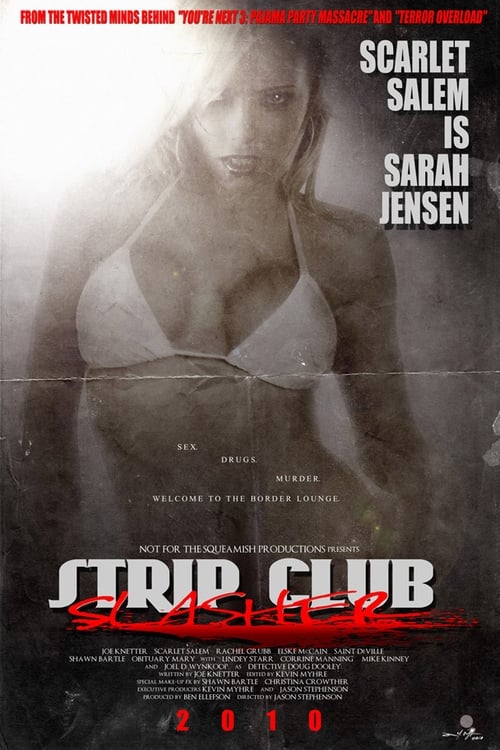
Sarah is a central character with significant influence over the story. However, the marketing highlights her sexualized portrayal, indicating a heavy reliance on the male gaze.
There is no information available regarding the cast's ethnic backgrounds. The narrative lacks any specific mentions of racial blending or diverse casting.
The story centers on individualistic and visceral experiences, avoiding critiques of Western institutions, capitalism, or religious structures.
The film does not mention any characters with disabilities, either physical or cognitive.
Present on Screen
Limited or Absent
Official Synopsis
Join Sarah in her final hours, as she hacks and slashes a path all the way back to her dark past! Witness the sexiest strippers this side of Hell, who will do anything to keep you satisfied! Prepare yourself for the final scene, which left audiences breathless!
2010

2017

2017

2014

2008

2011
2010
2009
No reviews yet. Be the first to share your thoughts on this movie!
Use the rating form above to leave a star rating and optional review.