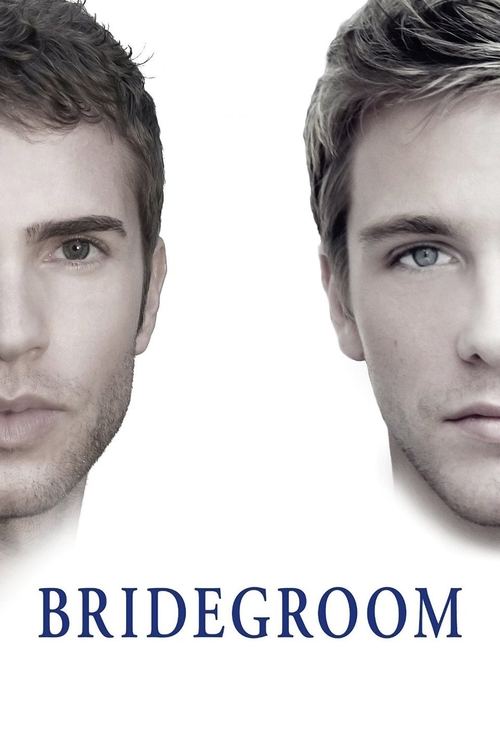
Bridegroom
2013
No user ratings available yet
Diversity score: 5.9 out of 10

1971
Director
Penelope Spheeris
Runtime
20 minutes
Average Rating
No ratings yetSynopsis
A truly major work, I Don’t Know observes the relationship between a lesbian and a transgender person who prefers to be identified somewhere in between male and female, in an expression of personal ambiguity suggested by the film’s title. This nonfiction film – an unusual, partly staged work of semi-verité – is the first of Spheeris’s films to fully embrace what would become her characteristic documentary style: probing, intimate, uncompromising. Preserved by the Academy Film Archive in 2014.
Overall Score
Excellent
Category Breakdown
LGBTQ+ Representation
The film centers on a relationship between a lesbian and a person navigating gender ambiguity. It offers a rare, early exploration of non-binary existence and queer intimacy.
Gender Representation
By centering a protagonist who rejects the binary, the film presents gender as a spectrum. It avoids traditional archetypes to explore identity outside established social expectations.
Racial & Ethnic Diversity
There is no explicit mention of the racial or ethnic composition of the cast. A definitive score cannot be assigned without further visual evidence.
Religious & Cultural Diversity
The work critiques 1970s social mores by prioritizing lived experiences over institutional morality. It uses personal ambiguity to deconstruct traditional Western social orders.
Disability Representation
The documentation does not contain specific details regarding the portrayal of neurodivergence or physical disabilities.
Strengths
Areas for Improvement
AI Analysis
Penelope Spheeris’s work serves as a foundational text in progressive documentary filmmaking. By focusing on individuals existing outside traditional societal frameworks, the film disrupts the heteronormative and cisnormative structures of its era. The narrative uses personal ambiguity to critique the systemic pressure to conform to binary identities. This approach provides a sophisticated look at intersectional storytelling during a period of intense social conservatism. While the film excels in queer and gender representation, there is insufficient data to evaluate racial, ethnic, or disability-related diversity.
No reviews yet. Be the first to share your thoughts on this movie!
Use the rating form above to leave a star rating and optional review.