The Simpsons: Christmas
2003
No user ratings available yet
Representation score: 7.3 out of 10
Representation Score
Fair
1996
NRDirector
Nick Park, Peter Lord, Richard Starzak, David Sproxton, Peter Peake, Luis Cook, Dave Alex Riddett
Runtime
75 minutes
Average Rating
No ratings yetNew Showbiz Analysis
This Aardman anthology stands out by disrupting traditional power dynamics through its characters. By positioning a silent dog as the competent lead, the films challenge standard human-centric hierarchies. However, the collection remains culturally homogeneous. The focus on a specific, stylized British suburban setting results in limited visibility of diverse racial and ethnic backgrounds. Ultimately, the work prioritizes deep, character-driven eccentricity over broader characters who reflect more than one aspect of diversity. It is a sophisticated exploration of domestic life that emphasizes individual quirks over social diversity.
Category Breakdown
The anthology focuses on domestic companionship and comedic suspense. There is no depiction of non-traditional gender identities or same-sex relationships.
The collection challenges traditional gender roles by making the dog Gromit the intellectual and emotional leader. This inversion of competence challenges conventional ideas of leadership and domestic authority.
Set in a whimsical version of suburban England, the films feature anthropomorphic animals and caricatured humans. This limits the visibility of diverse racial or ethnic backgrounds.
The films celebrate British eccentricity and a secular, whimsical worldview. They prioritize individual quirks over broader cultural or religious norms.
Characters exhibit traits consistent with neurodivergent conditions, such as Wallace's obsessive focus on inventions. These traits are presented as core aspects of their personalities rather than as sources of ridicule.
Present on Screen
Limited or Absent
Official Synopsis
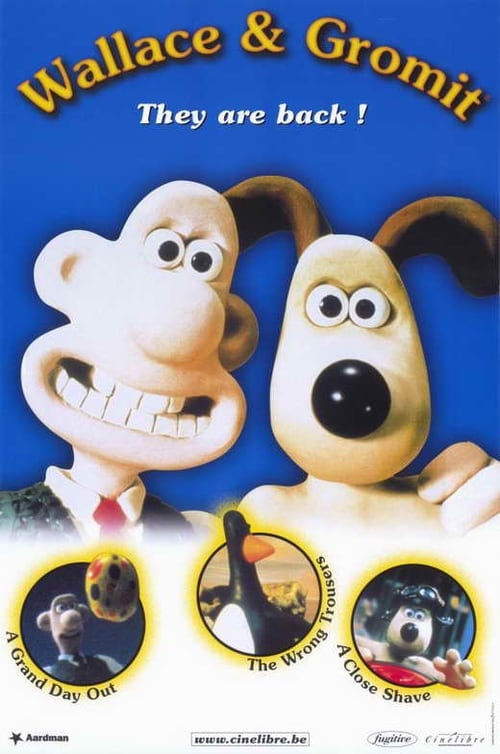
Anthology of Aardman Animation short films released in theaters in 1996, centered on the new release of the third Wallace & Gromit short, "A Close Shave." Includes: "A Close Shave," "Creature Comforts" and "Heat Electric Commercials" by Nick Park; "Rex the Runt: How Dinosaurs Became Extinct", "Rex the Runt: Dreams" and "Ident" by Richard Goleszowski; "Wat's Pig" and "My Baby Just Cares For Me" by Peter Lord; "Early Bird" by Peter Lord and David Sproxton; "Pib and Pog" directed by Peter Peake
2003

2017
2011
1981
2007

2004
2004
1996
No reviews yet. Be the first to share your thoughts on this movie!
Use the rating form above to leave a star rating and optional review.