The Night Stalker
1987
No user ratings available yet
Representation score: 1.7 out of 10
Representation Score
Limited
1973
Not RatedDirector
Dwayne Avery, Carl Monson, Harry H. Novak, Bethel Buckalew
Runtime
96 minutes
Average Rating
No ratings yetNew Showbiz Analysis
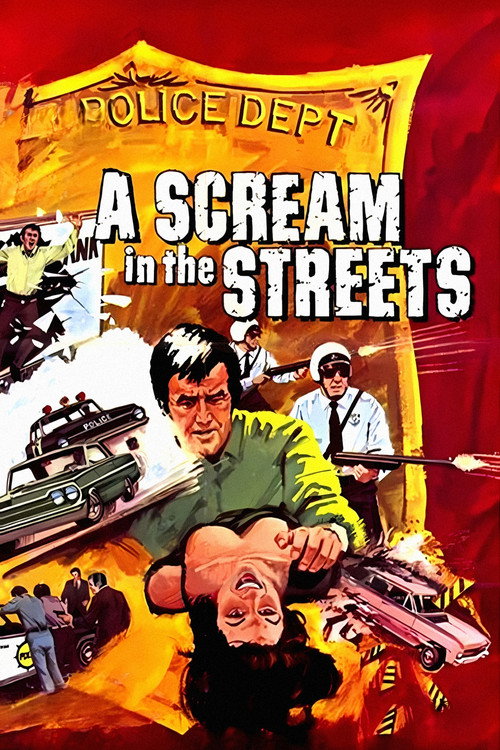
A Scream in the Streets is a crime thriller that prioritizes suspense and the maintenance of social order. While it includes non-traditional gender presentation through its antagonist, these elements serve primarily to drive the plot rather than explore identity. The film relies heavily on the conventions of 1970s exploitation cinema, focusing on the pursuit of a killer through established institutional methods. It lacks intentional characters who reflect more than one aspect of diversity, favoring traditional storytelling techniques. Overall, the work functions as a conventional crime narrative, using gender-bending as a tool for tension but failing to challenge broader social hierarchies or provide meaningful representation for underrepresented groups.
Category Breakdown
The antagonist's non-traditional gender expression serves as a key plot device, emphasizing suspense and criminality rather than exploring identity.
The film focuses on male detectives and a deceptive feminine persona, reinforcing traditional anxieties by portraying femininity as a mask for violence.
The cast appears predominantly white, lacking evidence of diverse or non-Anglo-Saxon representation typical of modern standards.
The narrative emphasizes the restoration of social order through the actions of state detectives, prioritizing their roles over subversive cultural themes.
No characters with visible or invisible disabilities are represented in the film.
Present on Screen
Limited or Absent
Official Synopsis
Two Los Angeles detectives are assigned to track down and arrest a brutal rapist-murderer terrorizing the city. Their job is complicated by the fact that the killer is able to avoid capture because he can pose as a woman.
1987

1975
1974
1983
1995

1981
1974
1988
No reviews yet. Be the first to share your thoughts on this movie!
Use the rating form above to leave a star rating and optional review.