
Observations at 65° South
2021
No user ratings available yet
Representation score: 8.3 out of 10
Representation Score
Limited
2007
Director
Jean Lemire
Runtime
120 minutes
Average Rating
No ratings yetNew Showbiz Analysis
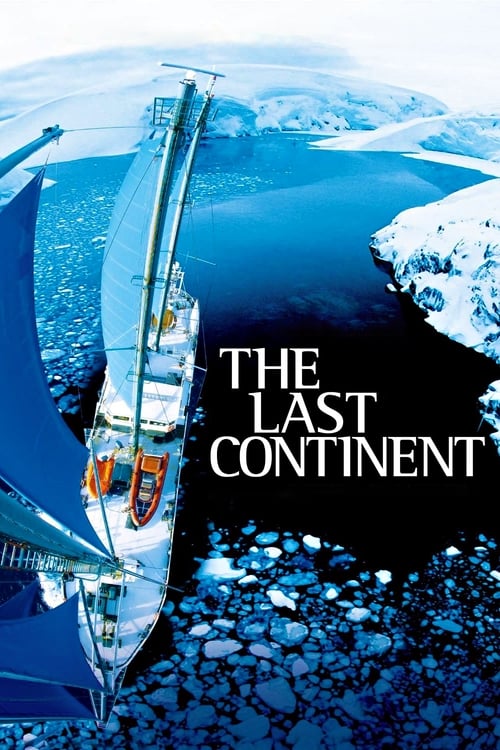
The Last Continent is a specialized documentary that prioritizes ecological truth over social narrative construction. It disrupts anthropocentric narratives by centering the environmental crisis as the primary driver of tension. While the film lacks intentionality regarding identity-based representation, such as LGBTQ+ or racial dynamics, it offers a progressive critique of the Anthropocene. It uses the isolation of Antarctica to highlight the fragility of global ecosystems. Ultimately, the film serves as a call for global awareness, emphasizing the interconnectedness of planetary systems rather than traditional character-driven clichés.
Category Breakdown
The film centers on a scientific crew in a high-stakes, isolated environment. There are no documented LGBTQ+ character arcs or narratives focused on non-assuming gender matches what was assigned at birth identities.
The crew composition reflects the professional demographics of mid-2000s scientific expeditions. The film emphasizes professional competence and survival rather than subverting traditional gender hierarchies.
The expedition consists of a specialized group of scientists. The cast is defined by professional roles rather than a deliberate effort to showcase diverse racial dynamics.
The film prioritizes a secular, scientific worldview. It frames global warming as a systemic crisis, challenging the idea of human dominion over nature.
There is no specific evidence regarding the portrayal of visible or invisible disabilities. The focus remains on physical and psychological resilience in extreme environments.
Present on Screen
Limited or Absent
Official Synopsis
In 2005, a small group of scientists and filmmakers agreed to leave everything behind for more than a year to sail to the Antarctic and live in isolation. Following in the path of the greatest explorers, expedition leader Jean Lemire and the crew of the Sedna IV dedicated themselves completely to measuring the threat posed by global warming in a place where Earth is particularly vulnerable. The resulting film, is a record of their incredible 430-day journey that inspires equal measures of fear and admiration. Alternating between captivating images of beauty and serenity, and spine-tingling sequences where the ship's crew finds itself on the edge of catastrophe, this is an expedition where danger and wonder are inextricably linked.
2021
2013
2009
2001
2022
2013
2023
2007
No reviews yet. Be the first to share your thoughts on this movie!
Use the rating form above to leave a star rating and optional review.