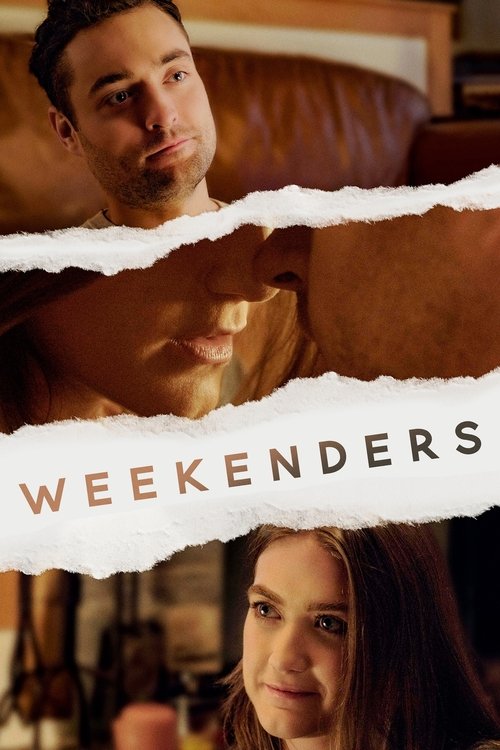
Weekenders
2021
No user ratings available yet
Representation score: 6.7 out of 10

Representation Score
Fair
2021
RDirector
Wallace Wolodarsky, Maya Forbes
Runtime
103 minutes
Average Rating
No ratings yetNew Showbiz Analysis
The Good House is a sophisticated character study that highlights the nuances of queer identity and the strength of female-driven narratives. It challenges traditional domestic dramas by focusing on the complexities of women's ability to drive the story and the subjective nature of truth. However, the film lacks significant racial diversity. It confines itself to a specific white, middle-class social framework, limiting the story's multi-layered depth. Overall, the film uses identity as a lens to explore the unraveling of social facades, prioritizing psychological depth over broad demographic representation.
Category Breakdown
The film portrays a stable relationship between the lead character and a female partner, emphasizing queer domesticity as a natural part of life. This depiction goes beyond including someone from a minority group without giving them real depth, presenting non-straight relationships as a normal social reality.
The story centers on the female characters' roles and their emotional journeys. Through a matriarchal lens, it transforms the domestic setting into a place where deep psychological issues are explored.
The story operates within a homogeneous white, middle-class New England and New York milieu. It lacks multi-layered racial diversity or non-Anglo-Saxon perspectives, focusing instead on familial and personal secrets.
The film examines the fluidity of memory and the subjective nature of truth. It critiques the polished facades of traditional domestic institutions by exploring the secrets and legacies of families.
There are no prominent or central depictions of visible or invisible disabilities within the narrative. No specific representation is present in the character details.
Present on Screen
Limited or Absent
Official Synopsis
When wry New England realtor Hildy Good rekindles a romance with her old high-school flame, Frank Getchell, it ignites long-buried emotions and family secrets that propel Hildy toward a reckoning with the one person she's been avoiding for decades: herself. Based on the best-selling novel by Ann Leary.
2021
2019
2016
2009

2016
2024

2021
2023
No reviews yet. Be the first to share your thoughts on this movie!
Use the rating form above to leave a star rating and optional review.