Official Denial
1993
No user ratings available yet
Representation score: 3.9 out of 10
Representation Score
Fair
1995
PG-13Director
Sam Irvin
Runtime
98 minutes
Average Rating
No ratings yetNew Showbiz Analysis
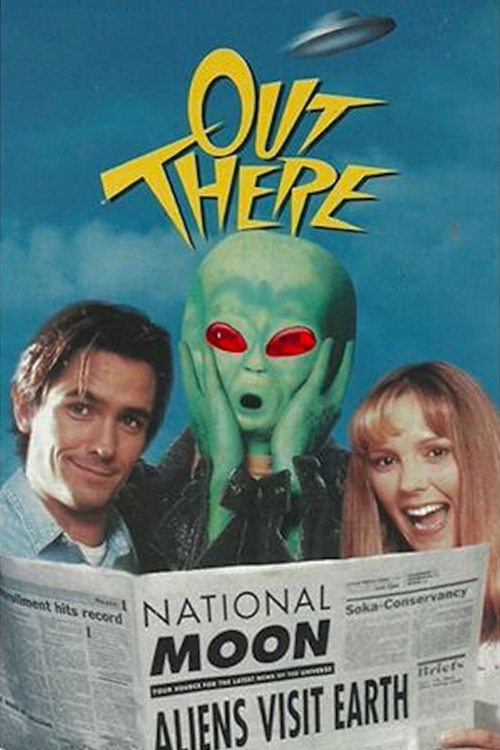
Out There functions as a typical mid-90s genre piece that avoids overtly harmful stereotypes but lacks demographic diversity. Its primary strength lies in its subtle critique of institutional authority and media sensationalism rather than progressive representation. The film offers moderate inclusion of women's ability to drive the story through a character who connects the protagonist to the central mystery. However, the narrative remains anchored in a traditional gendered hierarchy and a homogeneous social setting. Ultimately, the work lacks the multi-layered complexity and diverse casting necessary for a high diversity score. It prioritizes a specific professional conflict over a wide range of cultural or identity-driven perspectives.
Category Breakdown
The film does not include explicit representations of LGBTQ+ characters or identities outside of heterosexual norms. The story revolves around a male protagonist’s supernatural journey without giving significant roles to queer characters.
A female character drives the central mystery through her family ties to the abduction. She plays a meaningful role, but the main professional conflict centers on a male lead.
The narrative seems to focus on a homogeneous social environment typical of 1995 television. There is no indication of a predominantly non-white cast or significant multi-layered casting.
The film critiques media institutions by following a photographer sidelined for his integrity. This explores the tension between individual truth and systemic corruption within capitalist media structures.
There is no evidence of characters with physical, sensory, or neurodivergent disabilities in the film.
Present on Screen
Limited or Absent
Official Synopsis
A Pulitzer Prize winning photographer is fired from his job for not being sensationalistic enough. After he purchases an old camera at a yard sale, he discovers some undeveloped film in it, including photos of an apparent alien abduction. When he goes public with the photos, he garners the attention of his former boss, the government and a woman who thinks her father was the abductee.
1993
1993

2018

2022

1998

2004

1994

2018
No reviews yet. Be the first to share your thoughts on this movie!
Use the rating form above to leave a star rating and optional review.