
Love at First Sight
2010
No user ratings available yet
Representation score: 5.7 out of 10
Representation Score
Minimal
2009
PGDirector
Nicholas Fackler
Runtime
92 minutes
Average Rating
No ratings yetNew Showbiz Analysis
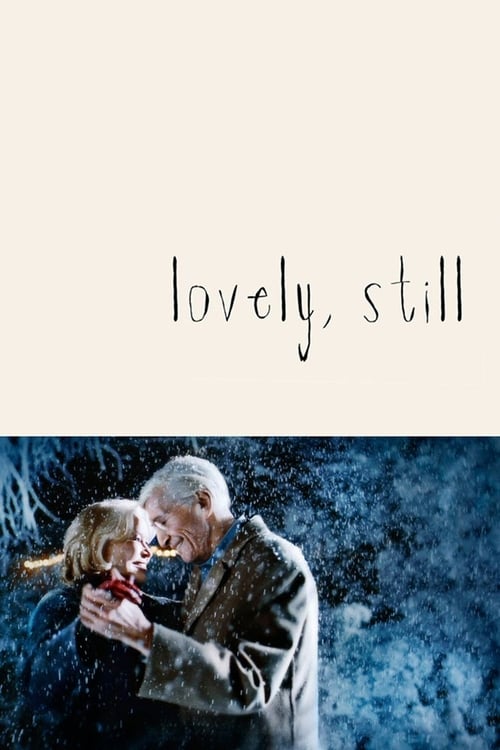
Lovely, Still is a traditional drama that emphasizes personal emotional arcs over the exploration of diverse identities. The narrative adheres to classical storytelling structures, reinforcing established social norms. The film operates within a narrow framework of Western, mid-century emotional realism, offering limited representation for underrepresented groups or non-traditional identities. Its homogeneous casting and traditional gender roles make it a conventional character study rather than a transformative piece of cinema.
Category Breakdown
The film centers on a heterosexual relationship between a male widower and a female companion. There are no representations of LGBTQ+ identities or non-cisgender characters.
The male lead shows emotional vulnerability, but the character dynamics follow traditional patterns. The female lead primarily serves in a nurturing, supportive role.
The cast is predominantly white, reflecting a homogeneous Western aesthetic without diverse casting. The setting and characters reinforce a standard Western look.
The story focuses on personal grief and emotional recovery. It does not engage with secularism or critique Western institutions.
There is no depiction of physical, neurodivergent, or mental health disabilities as central narrative elements in this film.
Present on Screen
Limited or Absent
Official Synopsis
A holiday fable that tells the story of an elderly man discovering love for the first time.
2010

2012

2020

2011

2013

2007
2010
2005
No reviews yet. Be the first to share your thoughts on this movie!
Use the rating form above to leave a star rating and optional review.