The Final Wish
2019
No user ratings available yet
Representation score: 2.6 out of 10
Representation Score
Fair
2020
Director
BJ Verot
Runtime
90 minutes
Average Rating
No ratings yetNew Showbiz Analysis
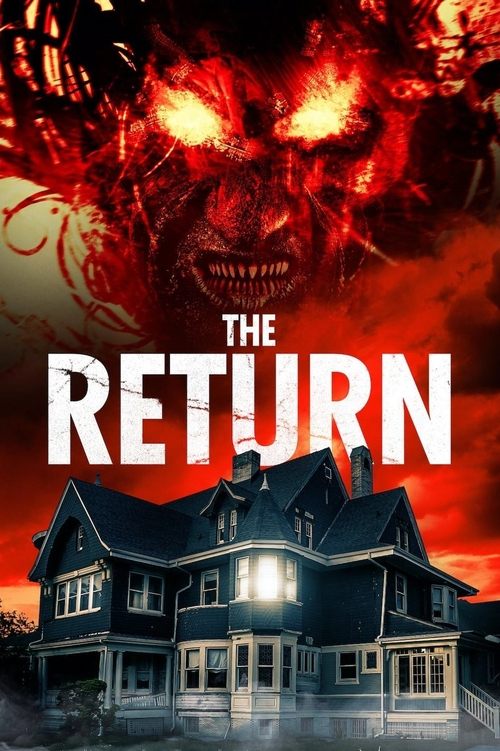
The Return functions as a standard genre piece that prioritizes individual and familial trauma over identity-driven deconstruction. While the casting shows moderate efforts toward racial and gender inclusion, the film does not appear to actively disrupt systemic hierarchies. The narrative framework adheres to conventional horror clichés, focusing on domestic and personal horrors. This approach tends to align with traditionalist storytelling rather than exploring multi-layered or non-normative perspectives. Ultimately, the film provides a balanced ensemble but lacks the narrative depth required to move beyond mainstream, straight-centered, and Western-centric structures.
Category Breakdown
The film does not include any explicit LGBTQ+ characters or narratives. It focuses on familial trauma and psychological horror, which seems to follow traditional structures centered around straight relationships.
The cast features many female actors. However, it remains unclear if the film challenges traditional gender roles or simply maintains them.
The ensemble includes diverse actors like Erik Athavale, indicating moderate racial integration. The film moves away from the historical homogeneity often found in the horror genre.
The narrative centers on themes of lineage and patriarchy within a family home. It relies on traditional Western storytelling clichés, focusing on domestic and personal horrors.
There is no verifiable information regarding the depiction of physical, neurodivergent, or mental health disabilities as central drivers of the story.
Present on Screen
Limited or Absent
Official Synopsis
After the death of his father, a brilliant college student returns to his family home where he learns that the horrors from his childhood aren't as dead and gone as he once thought.
2019
2002

2015
2015

2020
2009
2019
2017
No reviews yet. Be the first to share your thoughts on this movie!
Use the rating form above to leave a star rating and optional review.