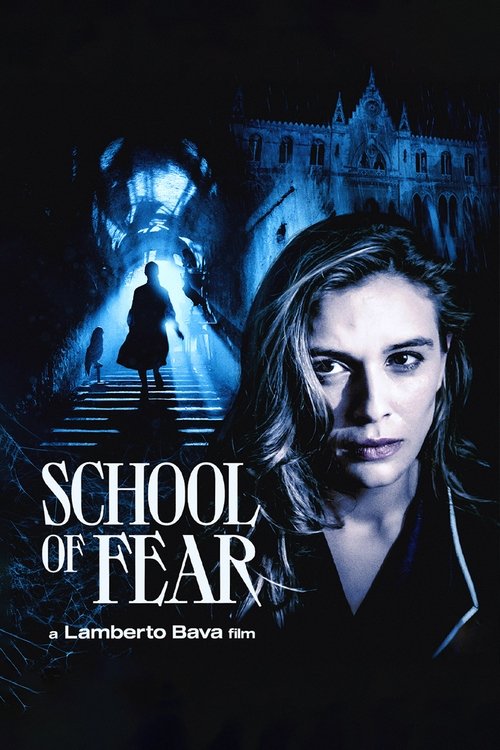
School of Fear
1989
No user ratings available yet
Representation score: 2.9 out of 10
Representation Score
Minimal
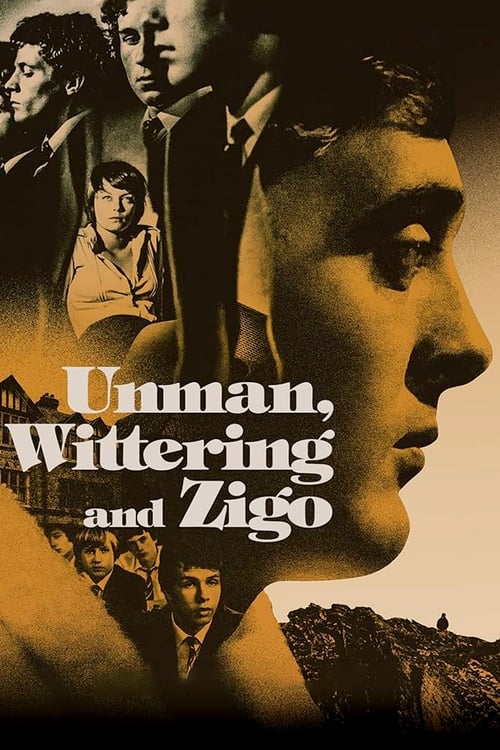
1971
GPDirector
John Mackenzie
Runtime
102 minutes
Average Rating
No ratings yetNew Showbiz Analysis
The film focuses narrowly on a specific demographic and era, lacking representation across most identity categories such as race, gender, and LGBTQ+ identities. However, it excels in its cultural critique, using the boarding school setting to dismantle the perceived sanctity of established social hierarchies and the 'old boy' network. Ultimately, the work prioritizes systemic depth over demographic breadth, focusing on the breakdown of patriarchal authority and the corruption of traditional Western institutions.
Category Breakdown
The film is set in an all-male boarding school and explores psychological intimacy among students, but it does not explicitly depict any LGBTQ+ identities.
The story unfolds within a hyper-masculine environment, portraying traditional masculinity as a volatile and cruel mechanism used to enforce peer hierarchies.
The cast is predominantly white, reflecting the socioeconomic context of a British private school from 1971. There are no central characters of color.
The film critiques the British class system by depicting the boarding school as a corrupt institution where systemic failures lead to student delinquency.
The narrative contains no central characters with visible or invisible disabilities.
Present on Screen
Limited or Absent
Official Synopsis
A new schoolteacher learns that the previous teacher was killed by his students, and he fears the same fate will befall him.
1989
1972

1972

2018

1971

1955
1969
1974
No reviews yet. Be the first to share your thoughts on this movie!
Use the rating form above to leave a star rating and optional review.