Find another title
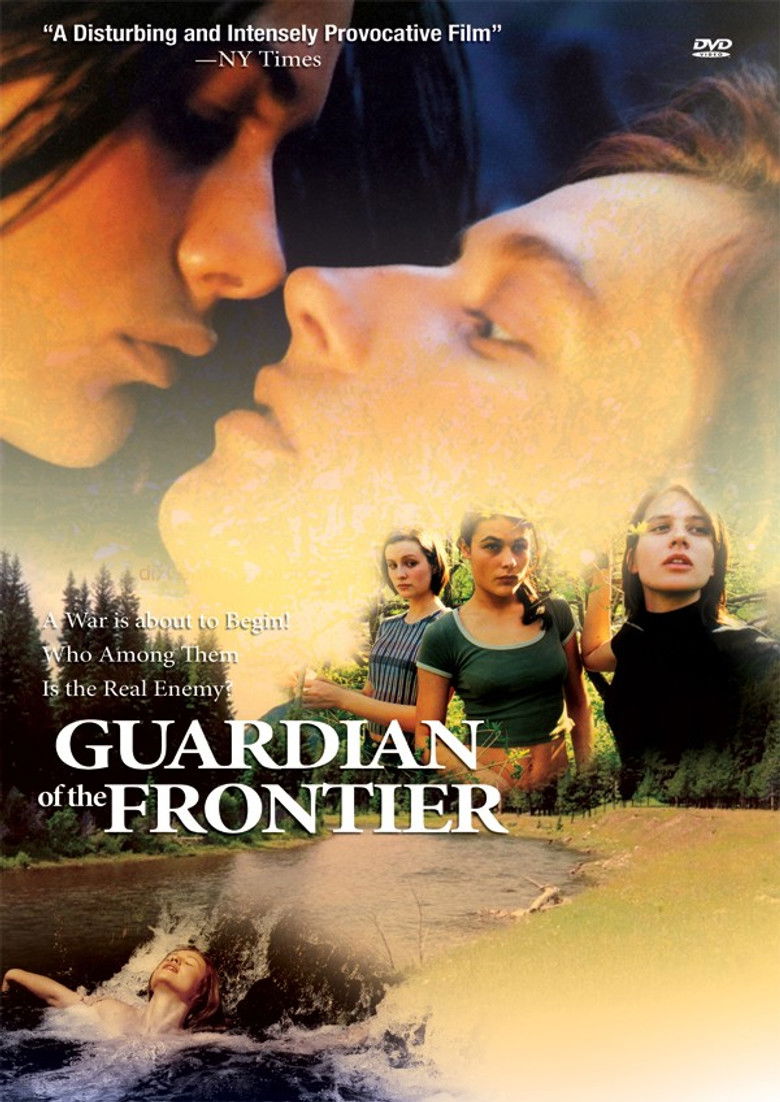
Guardian of the Frontier
2002
Director
Maja Weiss
Runtime
98 minutes
Average Rating
No ratings yetSynopsis
A canoe trip down the river Kolpa becomes a journey of discovery for three female students.
Where to Watch
Diversity & Representation
Overall Score
Fair
Category Breakdown
LGBTQ+ Representation
The film centers on the companionship of three female students. While the narrative allows for queer-coded emotional bonds, there is no explicit evidence of same-sex intimacy or identity markers.
Gender Representation
The story disrupts traditional hierarchies by centering the plot entirely on female agency. By removing male protagonists, the three students drive the mystery and the physical journey themselves.
Racial & Ethnic Diversity
The production reflects the demographic homogeneity typical of regional European dramas from this era. The focus remains on psychological tension rather than explicit racial discourse or diverse ethnic ensembles.
Religious & Cultural Diversity
The isolation of the canoe trip deconstructs traditional social structures. Western norms like family or religion become secondary to the characters' survival and personal discovery in a vacuum.
Disability Representation
There is no documented evidence of characters with visible or invisible disabilities. The film does not appear to utilize disability as a central narrative component or character arc.
Strengths
- The film centers female agency by making three female students the primary drivers of the mystery.
- It disrupts traditional thriller tropes by removing the standard male protagonist or observer role.
- The narrative prioritizes female perspectives within a genre that often relies on male-led discovery.
Areas for Improvement
- The cast reflects a demographic homogeneity typical of regional European dramas of the early 2000s.
- There is a lack of representation regarding characters with visible or invisible disabilities.
- The film does not explicitly engage with broader intersectional identity politics or diverse ethnic ensembles.
AI Analysis
Maja Weiss’s film succeeds as a study of female autonomy, shifting the female experience from the periphery to the center of the thriller genre. By prioritizing female perspectives, it avoids common tropes of male-led discovery or female victimhood. However, the film lacks intersectional depth. It remains a localized European narrative with a homogeneous cast and does not explicitly engage with disability or diverse ethnic representation. Ultimately, the work is a character-driven odyssey that finds strength in its structural decision to center female agency, even if it lacks broader social commentary.
Rate this Movie
Reviews
No reviews yet. Be the first to share your thoughts on this movie!
Use the rating form above to leave a star rating and optional review.