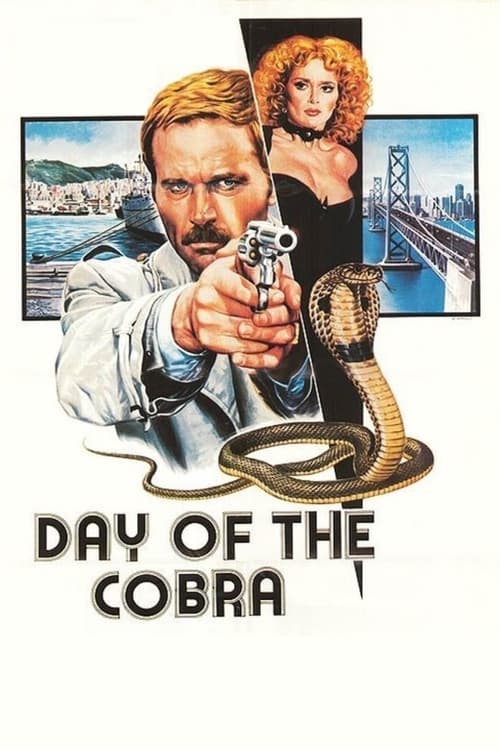
Day of the Cobra
1980
No user ratings available yet
Representation score: 1.1 out of 10
Representation Score
Fair
1973
RDirector
Sidney J. Furie
Runtime
135 minutes
Average Rating
No ratings yetNew Showbiz Analysis
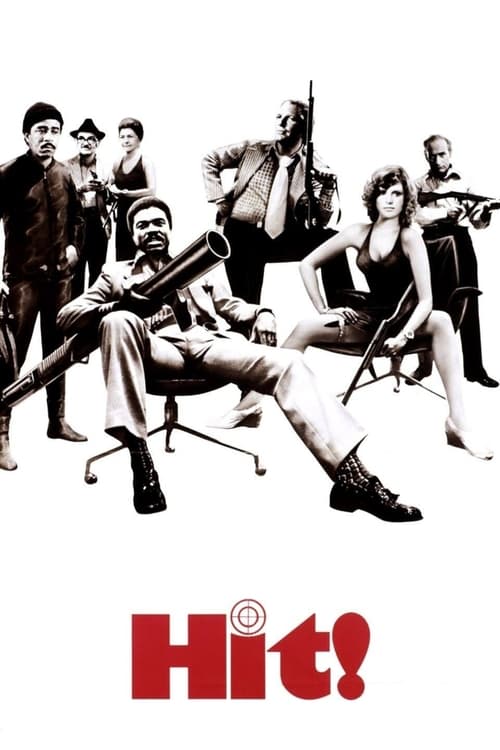
Hit! is a significant piece of the Blaxploitation era, mainly through its subversion of racial casting norms. By placing Black characters in positions of authority and central importance within an international thriller, the film challenges the era's standard casting hierarchies. However, the film remains tied to the conventional clichés of 1970s action cinema. It relies on a standard revenge-driven structure and adheres to traditional gender roles where female characters have passive roles. Ultimately, the film's impact lies in its disruption of the 'white hero' archetype, even as it operates within a narrow, straight-centered social framework.
Category Breakdown
The movie includes a typical heterosexual romance involving the main character's daughter. There are no visible LGBTQ+ narratives or diverse gender identities presented in the story.
The plot revolves around a traditional gender hierarchy, focusing on a male federal agent's grief. Female characters provide emotional tension but have passive roles and are often victims.
The film stands out by featuring Black actors like Billy Dee Williams and Richard Pryor in leading roles. This breaks the era's tendency to place Black performers in secondary or stereotypical roles.
The story critiques systemic corruption through the drug trade, maintaining a traditional moral focus on personal vengeance rather than a radical political critique.
The film does not depict significant physical or neurodivergent disabilities. The plot centers on the tragic consequences of substance abuse without exploring disability ability to act.
Present on Screen
Limited or Absent
Official Synopsis
A federal agent whose daughter dies of a heroin overdose is determined to destroy the drug ring that supplied her. He recruits various people whose lives have been torn apart by the drug trade and trains them. Then they all leave for France to track down and destroy the ring.
1980
1972
1978
1973

2008
1975

2008
1983
No reviews yet. Be the first to share your thoughts on this movie!
Use the rating form above to leave a star rating and optional review.