Star Trek Beyond
2016
No user ratings available yet
Representation score: 7.7 out of 10
Representation Score
Excellent
2017
PG-13Director
Luc Besson
Runtime
137 minutes
Average Rating
No ratings yetNew Showbiz Analysis
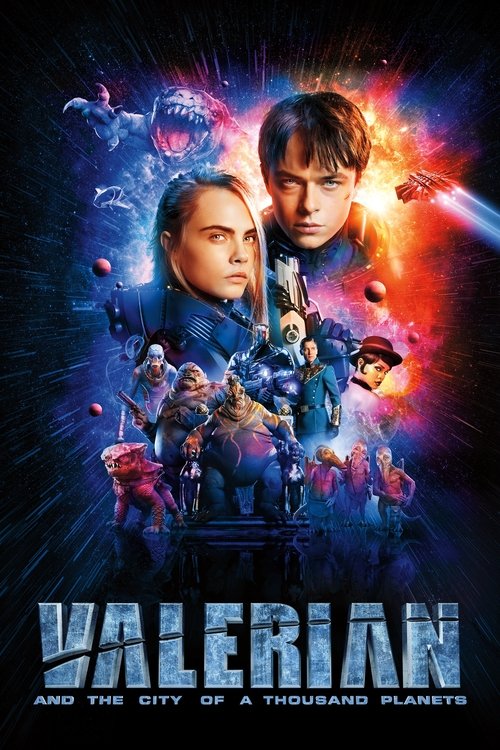
The film stands out by replacing monolithic human perspectives with a complex, multi-species cityscape. Using speculative biology to reflect real-world ethnic and cultural diversity, it effectively challenges Western-centric sci-fi clichés. Laureline subverts traditional gender stereotypes by being the mission’s intellectual leader. This elevates the female character beyond typical clichés. However, the film misses opportunities to highlight LGBTQ+ identities and meaningful disability representation. Biological variations are mostly treated as aesthetic traits rather than lived experiences.
Category Breakdown
The story focuses on the romantic relationship between Valerian and Laureline. It doesn't include significant narrative arcs for LGBTQ+ characters, sticking to traditional romantic structures.
Laureline challenges traditional gender roles by being the tactical and intellectual leader of the duo. She often shows greater competence and situational awareness than Valerian.
The film uses non-human species as metaphors for a diverse, multi-ethnic universe. The human cast is intentionally diverse, representing a post-national, pan-galactic identity.
Alpha serves as a cosmopolitan hub where various planetary cultures come together. The setting promotes a highly inclusive model of interspecies coexistence.
Alien species exhibit various biological and sensory differences. However, these are shown mainly as aesthetic traits rather than lived experiences of disability or neurodivergence.
Present on Screen
Limited or Absent
Official Synopsis
In the 28th century, Valerian and Laureline are special operatives charged with keeping order throughout the human territories. On assignment from the Minister of Defense, the two undertake a mission to Alpha, an ever-expanding metropolis where species from across the universe have converged over centuries to share knowledge, intelligence, and cultures. At the center of Alpha is a mysterious dark force which threatens the peaceful existence of the City of a Thousand Planets, and Valerian and Laureline must race to identify the menace and safeguard not just Alpha, but the future of the universe.
2016
2007
2019
2008
2014
2017
2016
2008
No reviews yet. Be the first to share your thoughts on this movie!
Use the rating form above to leave a star rating and optional review.