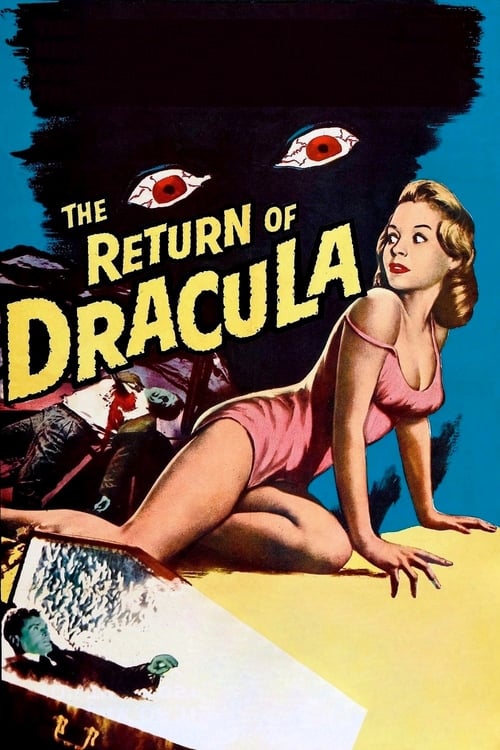
The Return of Dracula
1958
No user ratings available yet
Diversity score: 2.6 out of 10
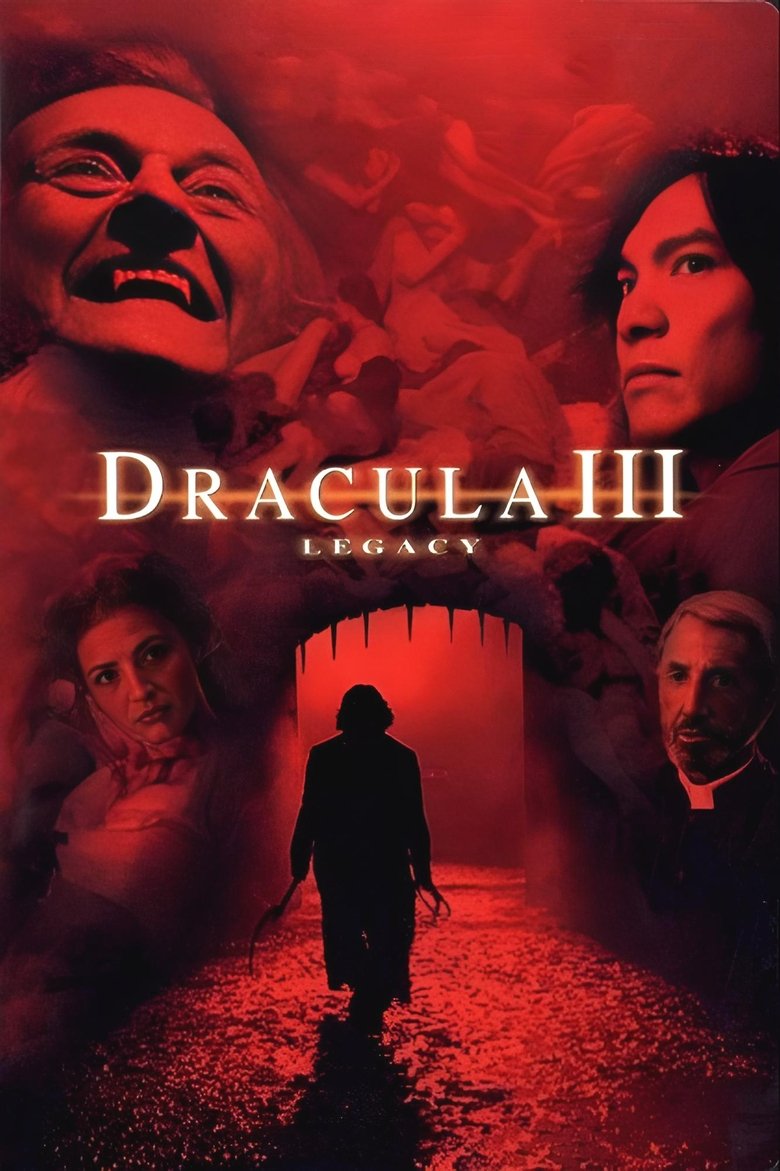
2005
RDirector
Patrick Lussier
Runtime
86 minutes
Average Rating
No ratings yetSynopsis
Dracula leads vampire hunters Father Uffizi and Luke back to Eastern Europe, and a country plagued by civil war.
Overall Score
Limited
Category Breakdown
LGBTQ+ Representation
The film operates within a standard heteronormative framework typical of mid-2000s genre cinema. There are no non-cisnormative gender identities or narratives that critique heteronormativity.
Gender Representation
While Anna serves as a central figure, the film adheres to conventional genre dynamics. The roles function within expected archetypes and do not significantly challenge established power structures.
Racial & Ethnic Diversity
The ensemble is primarily a homogeneous European cast reflecting the 19th-century Eastern European setting. There is no evidence of race-bent casting or intentional use of diverse identities.
Religious & Cultural Diversity
Traditional religious iconography is utilized through Father Uffizi to combat supernatural elements. This reinforces established religious institutions as sources of moral and physical protection.
Disability Representation
There are no prominent depictions of visible or invisible disabilities that drive the narrative or provide meaningful representation.
Strengths
Areas for Improvement
AI Analysis
Dracula III: Legacy is a traditional Gothic horror piece that prioritizes established genre tropes over narrative innovation. The film maintains a conservative approach to representation, adhering to the historical and social constraints of its 19th-century Eastern European setting. The narrative architecture reinforces traditional hierarchies and institutional roles rather than challenging them. By focusing on standard archetypes, the film avoids introducing intersectional complexities or disrupting conventional power dynamics. Ultimately, the work functions as a period-specific genre exercise that relies on familiar storytelling structures rather than social deconstruction.
1958
1993
2015
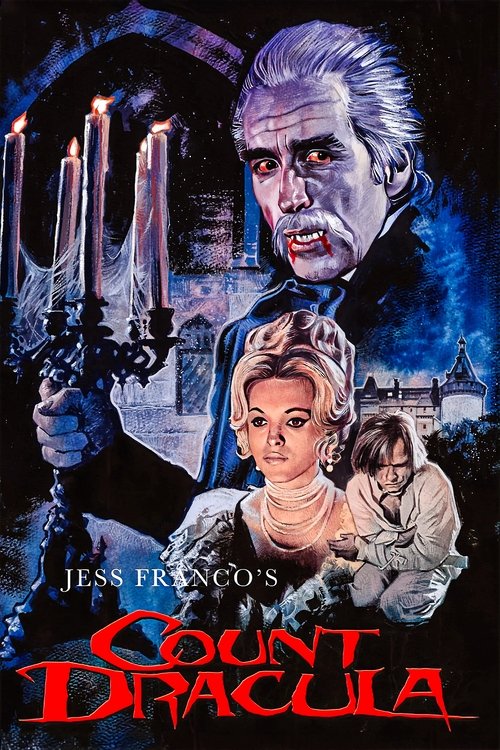
1970
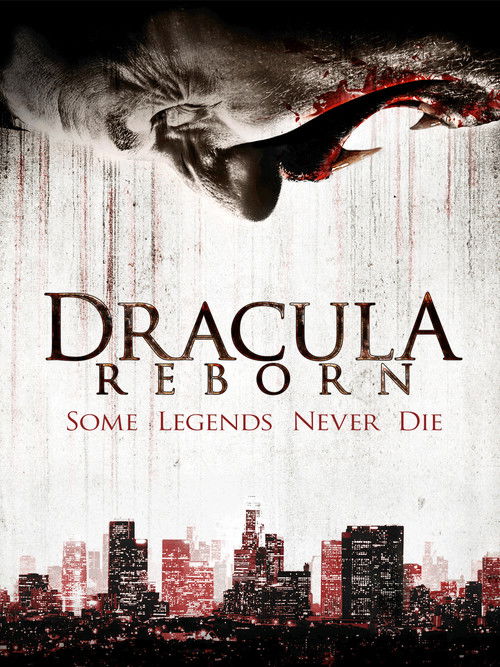
2012
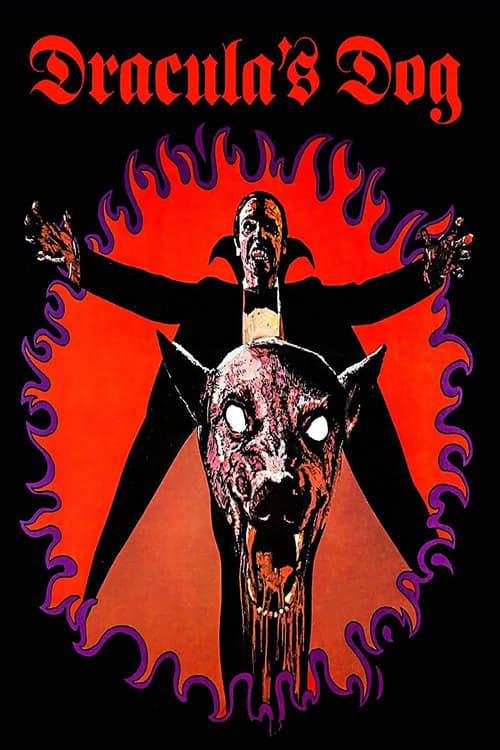
1977
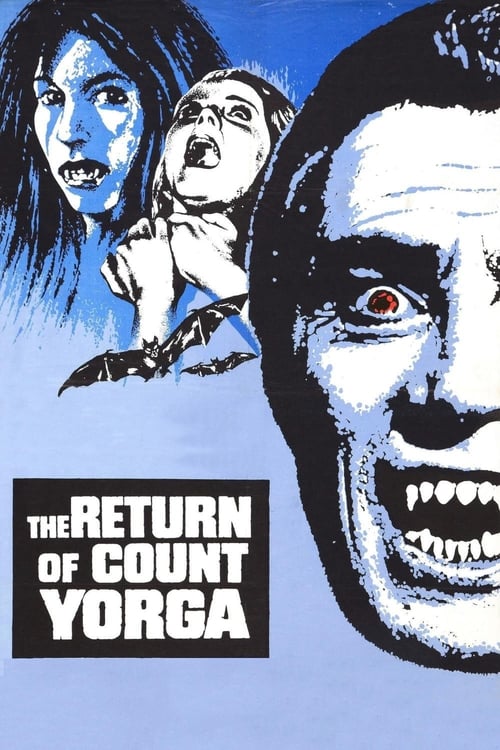
1971

2015

1973
2021
1962
1993
No reviews yet. Be the first to share your thoughts on this movie!
Use the rating form above to leave a star rating and optional review.