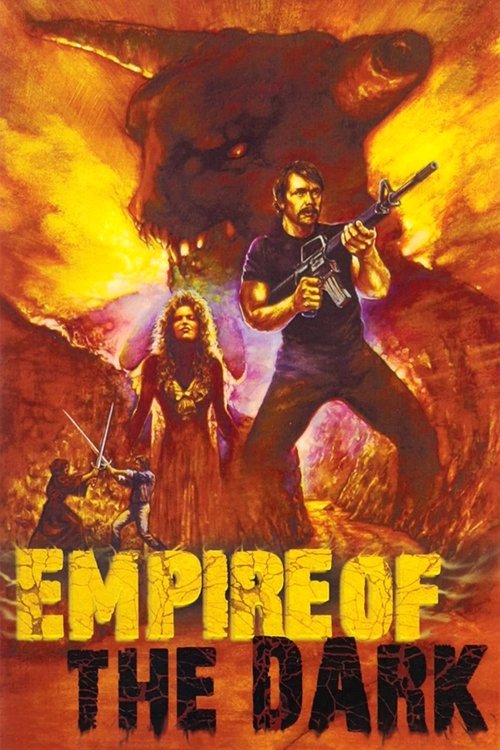
Empire of the Dark
1991
No user ratings available yet
Representation score: 1.7 out of 10
Representation Score
Limited
1986
Director
Lam Nai-Choi
Runtime
83 minutes
Average Rating
No ratings yetNew Showbiz Analysis
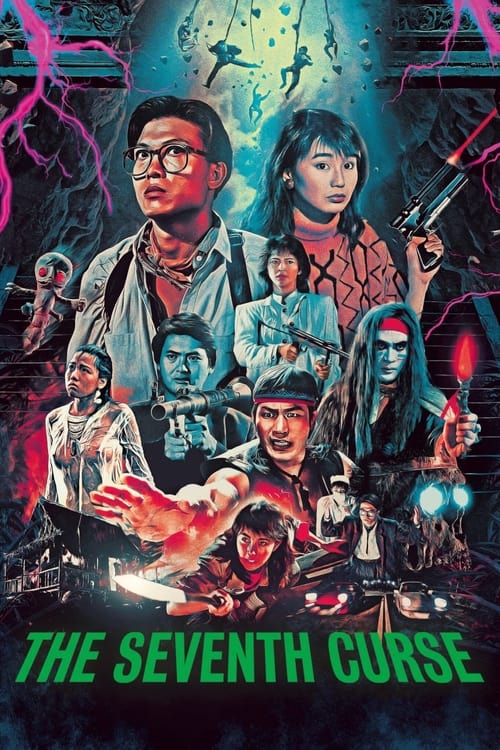
The Seventh Curse is a quintessential 1980s Hong Kong genre piece that prioritizes action and supernatural tension over social commentary. It operates within the standard frameworks of its era, using established adventure clichés that do not challenge existing hierarchies. While the film features prominent East Asian actors, it does not intentionally explore multi-layered identities. The narrative focuses on individual pursuits of survival and wealth within a lawless setting. Ultimately, the film's diversity is a byproduct of its production origin rather than a deliberate effort to address systemic power dynamics or diverse lived experiences.
Category Breakdown
The film adheres to traditional 1980s adventure stories and focuses on straight relationships. It does not include characters with non-traditional gender identities or challenge standard social norms.
Maggie Cheung plays a significant role, yet the film follows established genre conventions. While she actively participates in the action, the movie maintains traditional romantic relationships and power structures.
The cast is predominantly East Asian, reflecting the film's Hong Kong origins. The jungle setting and fictional tribes serve as horror-adventure elements rather than exploring post-colonial or multi-layered themes.
Supernatural lore and blood curses drive the plot as genre obstacles. The narrative centers on classic treasure-hunting motifs rather than critiquing religious structures or Western institutions.
Physical transformations caused by the curse serve as horror elements. These depictions function as tension-building obstacles rather than nuanced explorations of lived experiences or disability.
Present on Screen
Limited or Absent
Official Synopsis
When Dr. Yuen attempts to rescue a girl about to be sacrificed by the Worm Tribe in the middle of a jungle in Thailand, he is damned with seven deadly "blood curses" and must return there to find a permanent cure.
1991
1985
1973

1993

1991

1986
1988

1980
No reviews yet. Be the first to share your thoughts on this movie!
Use the rating form above to leave a star rating and optional review.