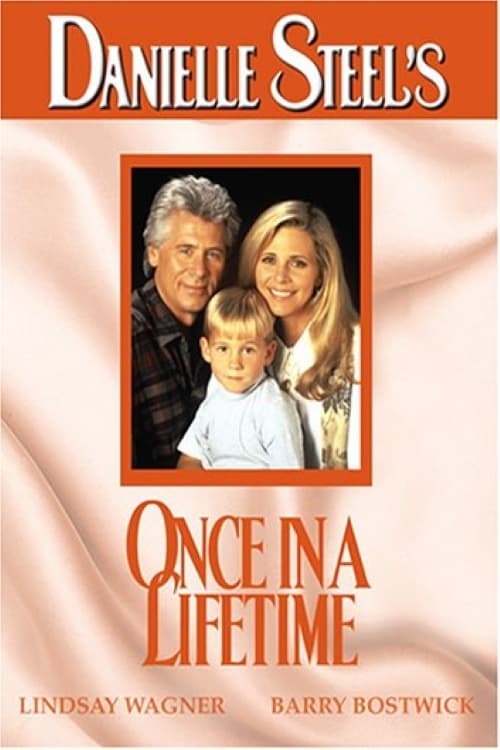
Once in a Lifetime
1994
No user ratings available yet
Representation score: 4.4 out of 10
Representation Score
Fair
1991
TV-PGDirector
Michael Miller
Runtime
95 minutes
Average Rating
No ratings yetNew Showbiz Analysis
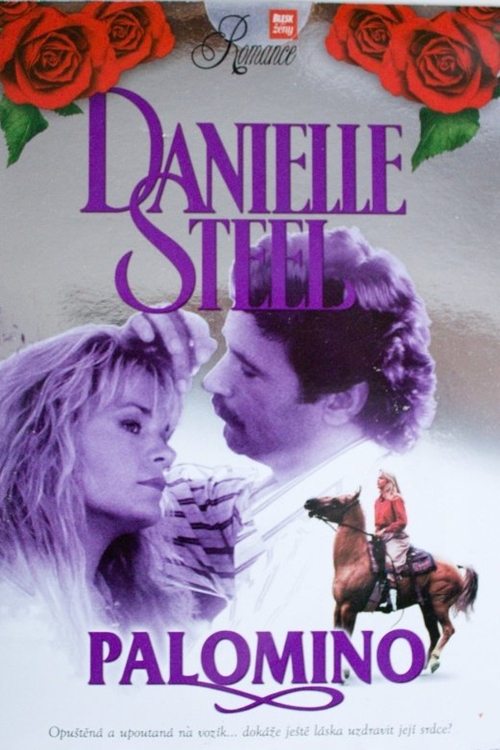
Palomino is a traditional 1990s television drama that prioritizes a conventional emotional arc over systemic critique. While it lacks diverse representation, it finds strength in its portrayal of physical disability and female resilience. The film succeeds in giving its protagonist a leading role through her recovery and business ventures. However, the narrative remains tied to standard romantic clichés and lacks significant racial or LGBTQ+ diversity. Ultimately, Palomino serves as a character study of healing within a traditional Western framework, offering meaningful representation for disability but failing to challenge broader social norms.
Category Breakdown
There are no visible LGBTQ+ characters or non-straight relationships in the film.
Samantha's journey from divorce to entrepreneurship highlights her resilience and active role in the story. However, the plot relies on conventional romantic clichés and the departure of a male figure.
The story follows typical demographic norms of early 90s domestic dramas, with no racial diversity or non-white casting.
The narrative emphasizes traditional Western values and uses the ranch setting as a symbol of stability without critiquing Western institutions.
Samantha’s paralysis is a central plot element, portrayed through her active recovery and entrepreneurial spirit. She avoids passive victimhood by establishing a riding school for paralyzed children.
Present on Screen
Limited or Absent
Official Synopsis
After the break up of her marriage, photographer Samantha Taylor retreats to the sanctuary of friend Caroline Lord's California ranch. Samantha falls in love with ranch hand Tate Jordan, and they share a deep and passionate love until Tate finds out that Samantha's ex-husband is popular and wealthy news anchor Warren Taylor. Ashamed he leaves the ranch, Samantha is heartbroken. Samantha breaks her back in an accident and is paralysed, and must learn how to walk - and ride - again. Caroline Lord tragically dies but leaves her ranch to Samantha, who turns it into a riding school for paralysed children. Through this enterprise, she begins to heal from the pain of Tate's desertion, the loss of her friend and her own paralysis. Tate returns to the ranch after hearing of Caroline's death and finds Samantha there. Can they both overcome their own demons and learn to love each other again??
1994

2019

1995

2002

1976

1991

1996
1998
No reviews yet. Be the first to share your thoughts on this movie!
Use the rating form above to leave a star rating and optional review.