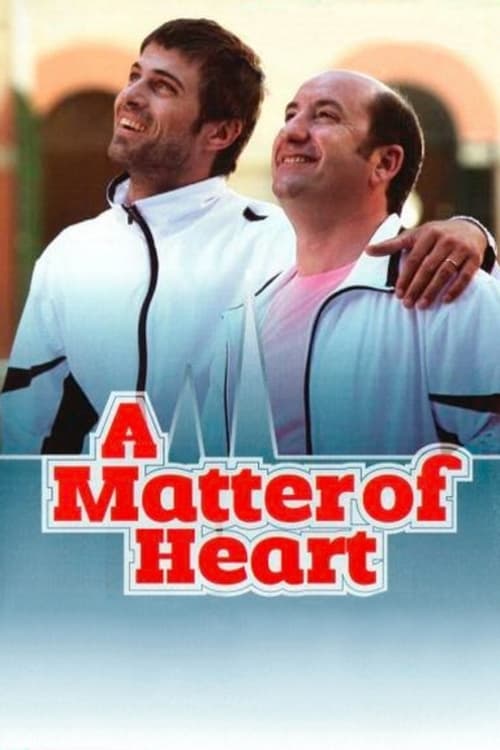
A Matter of Heart
2009
No user ratings available yet
Diversity score: 3.9 out of 10

1988
PG-13Director
Henry Winkler
Runtime
103 minutes
Average Rating
No ratings yetSynopsis
After a heart attack, Abbie Polin (Crystal), a New York doctor, goes to Los Angeles to see his father, Abe (King), who works in Hollywood as the "king of the extras." Their relationship has been strained for several years. Lisa, the romantic interest in Abbie's life, bonds with Abe, who gets along famously with everyone but his son. Abe begins having memory loss and eventually is diagnosed with a brain aneurysm. He and his son grow closer in time and, before it's too late, Abbie tries to get Abe a speaking role in a film.
Overall Score
Fair
Category Breakdown
LGBTQ+ Representation
The film lacks LGBTQ+ characters or narratives addressing non-cisnormative identities. The romantic interest, Lisa, is framed within a traditional heterosexual context.
Gender Representation
The story centers on male emotional development between a father and son. It subverts stoic masculinity by focusing on their physical and cognitive vulnerabilities.
Racial & Ethnic Diversity
The narrative reflects a standard 1980s cinematic demographic. It depicts a primarily Western, urban setting without indicating a diverse or non-Anglo-Saxon majority cast.
Religious & Cultural Diversity
The film explores familial dysfunction and the fringes of the entertainment industry. It follows traditional sentimental structures regarding mortality and memory.
Disability Representation
The plot provides meaningful representation of cardiovascular issues and cognitive decline. Neurological vulnerability serves as a catalyst for character growth and emotional reconciliation.
Strengths
Areas for Improvement
AI Analysis
Memories of Me is a character-driven study of aging and familial reconciliation. It finds its greatest depth in its portrayal of medical and cognitive fragility, using health crises to drive emotional intimacy between the leads. However, the film lacks intersectional breadth. The narrative remains largely within a traditional 1980s framework, offering little in the way of racial, ethnic, or LGBTQ+ diversity. Ultimately, the film succeeds by deconstructing masculine archetypes through vulnerability, even as it stays within a relatively narrow demographic scope.
2009

2019

2014

2008

2015

2010
1988

1988

2000

1984
2003
1980
No reviews yet. Be the first to share your thoughts on this movie!
Use the rating form above to leave a star rating and optional review.