Find another title
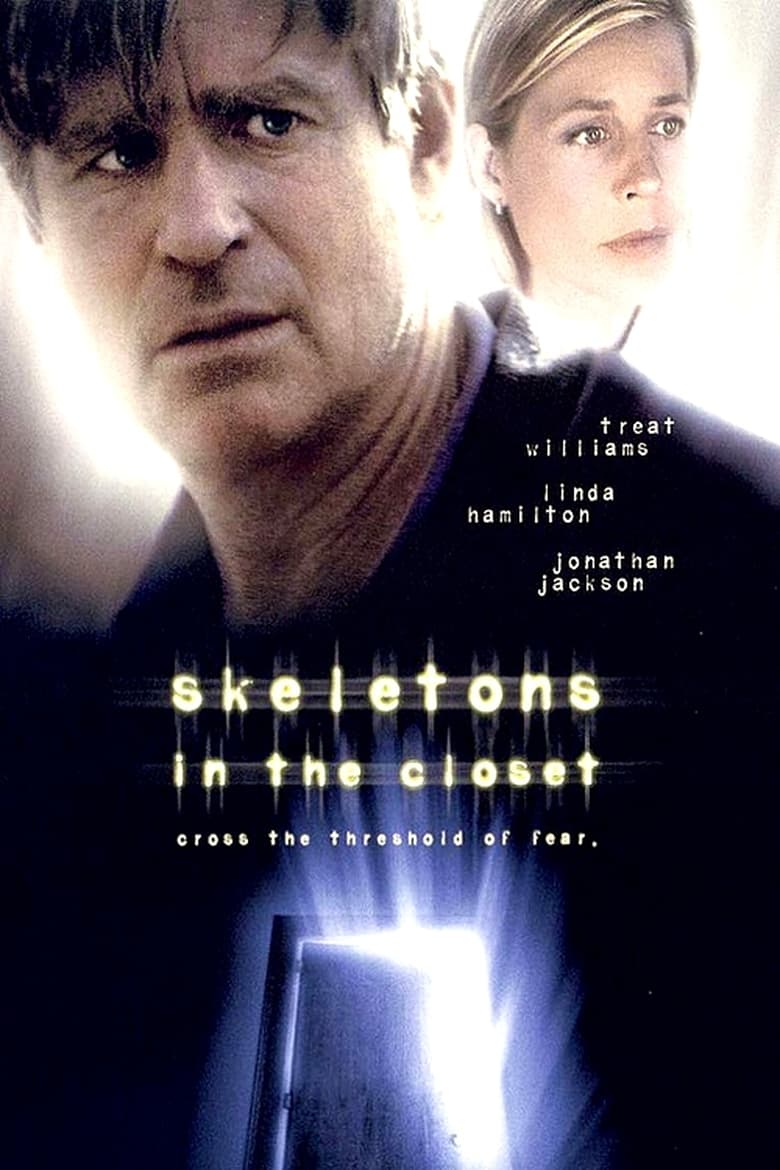
Skeletons in the Closet
2001
Director
Wayne Powers
Runtime
100 minutes
Average Rating
No ratings yetSynopsis
A father suspects his son to be a murderer...or is he just paranoid and trying to cover up his own past which involves his wife being killed in a fire?
Where to Watch
Diversity & Representation
Overall Score
Limited
Category Breakdown
LGBTQ+ Representation
The film lacks LGBTQ+ characters or narratives addressing non-cisnormative identities. The central conflict focuses on heteronormative familial dynamics between a father, son, and wife.
Gender Representation
The story centers on a patriarchal crisis driven by the male protagonist. The female character is defined by her absence and death, serving as a catalyst for male development rather than an agent of her own.
Racial & Ethnic Diversity
There is no indication of a diverse or non-Anglo-Saxon cast. The narrative structure suggests a standard domestic thriller that leans toward homogeneous casting.
Religious & Cultural Diversity
The film focuses on private guilt and individual psychological trauma. It offers no critique of Western institutions, capitalism, or organized religion.
Disability Representation
There is no verifiable evidence regarding the portrayal of physical disabilities or neurodivergence. While paranoia is a theme, its treatment as a mental health condition is unconfirmed.
Strengths
- The film provides a focused exploration of individual psychological trauma and private guilt.
Areas for Improvement
- The narrative lacks diverse casting and intersectional perspectives.
- Female characters are defined by their absence rather than independent agency.
- The story adheres to traditional heteronormative and patriarchal frameworks.
AI Analysis
Skeletons in the Closet is a traditional domestic thriller that prioritizes individual psychological tension over social or intersectional representation. The narrative architecture follows established early-2000s genre conventions, focusing on a patriarchal family unit and private morality. The film lacks meaningful engagement with diverse identities, relying instead on a standard mystery framework. Female and minority perspectives are largely absent or relegated to secondary roles that support the male protagonist's journey. Ultimately, the work functions as a character-driven crime drama without attempting to subvert social hierarchies or deconstruct traditional Western norms.
Rate this Movie
Reviews
No reviews yet. Be the first to share your thoughts on this movie!
Use the rating form above to leave a star rating and optional review.